Music is the universal language
“Glory to God in the highest heaven, and on earth peace to those on whom his favor rests.” - Luke 2:14
Fretboard Journal


20 Things I Can’t Wait to See at the 2026 Fretboard Summit
As of this writing, we are one month out from one of the most unique guitar gatherings on Earth: The Fretboard Summit.
This is where the staff from the Fretboard Journal (including yours truly), Chicago’s famed Old Town School of Folk Music, and dozens of brands and independent luthiers, collectors and players of all stripes get together for an annual hang unlike any other “guitar festival” you’ve heard of.
It’s a highly curated guitar show, equally inspired by TED Talks and some of our favorite music festivals. Mostly, it’s an ever-growing family reunion for guitar geeks who want to connect, learn and have fun.
For 2026, we have nearly 100 guitar brands and luthiers exhibiting. Hand-picked bigger brands like Taylor, Yamaha, Collings and Martin exhibit, as do dozens of solo luthiers from around the globe. We welcome select pedal and amp makers, too, including Chase Bliss, JHS, Two-Rock, Henriksen and others.
We have quiet rooms if you want to test an acoustic and loud rooms if you want to hear a guitar through a cranked-up amp. There are multiple classrooms, a bar with guitar-themed cocktails, a vintage amp library (see below) and even a pretty special wine tasting hosted by one of our readers (who happens to be an acclaimed vintner from Australia). It’s basically Disneyland if you’re into cool or rare fretted instruments.
Every Summit is different and filled with surprises – prior Summits featured unannounced cameos by Rosanne Cash, Ben Harper, luthier Jim Olson and others.
But here’s what I’m most excited about for 2026’s hang.
1. New Faces: If you look at our poster, you’ll notice we have some younger artists this year. But we’re also welcoming a fresh crop of attendees, the recipients of our first-ever Summit scholarship program. Thanks to the generous support of the Music Emporium, ten up-and-coming young luthiers and music students will be a part of the 2026 Summit experience. I’ve read their applications, and they’re all incredible people. I can’t wait to meet them all.
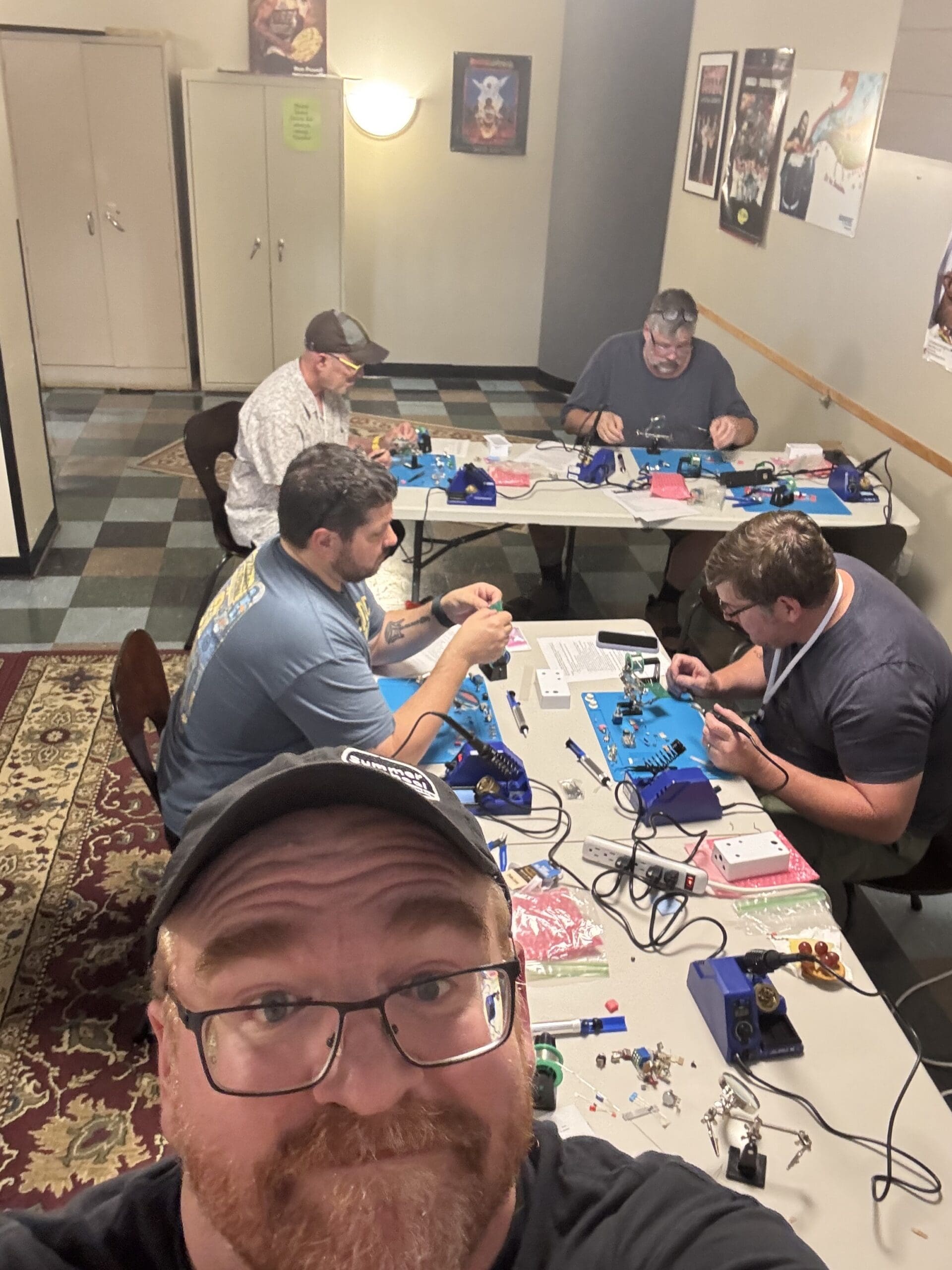
2. Summer School’s Pedal Class: Mark Turley is the owner of Summer School Electronics, but he’s also a public school teacher. During his summer break, he relaxes, builds a bunch of cool pedals (all school-themed) and does kooky things like teach pedal-making at the Summit. This will be his second year teaching a pop-up pedal class within the Summit. He’s a natural. This costs a bit extra and takes a couple of hours, but everyone goes home with a rad, homemade souvenir…the pedal they just built. We talked about it on the most recent FJ Podcast.
3. Bob Taylor Going Deep on tonewoods. For months, Taylor Guitars’ co-founder Bob Taylor and I have been going back and forth on this session: A brain dump from Bob on the state of guitar woods in 2026, things we should be worried about, things we should be hopeful about, regulations, treaty updates and more. Bob has been on the forefront of this stuff for decades and this seems important for all to hear (even Taylor’s peers and competition in the business), so we’re opening up our theater early on Saturday so that exhibitors and attendees can glean some knowledge before the show floor opens.
4. The Science Fair. Every year, we see some wild innovation at the Summit. On Friday, we’re bringing back our old-school Science Fair, where inventors can show off and explain their forward-thinking creations to our audience. It’s just like your old Junior High Science Fair, but with more talk of sustain and fewer volcanoes.
5. Wine Tasting with Bill Downie. Fretboard Journal reader Bill Downie just happens to be one of Australia’s most respected Pinot Noir makers. Once again, he’s bringing a couple of cases of wine to share with Summit attendees. It’s a great chance to connect with guitar fanatics from around the world.
6. Chris Martin IV. Technically, we’ve done seven Fretboard Summits. They always have a ton of Martin coverage, but this year Chris Martin IV is actually attending and speaking.
7. Josh Scott’s world premiere screening. JHS’s Josh Scott just released a monumental book on the history of Electro-Hamonix. While he was writing it, he was also secretly filming a full-length documentary about the brand and his research. He’ll be showing it on the Summit’s big screen for the first time ever.
8. The Volcano Brothers is one of those insider, only-in-Nashville bands: A traditional Hawaiian string band featuring heavy hitters session musicians Steve Dawson, Fats Kaplin, Richard Bennett, Dave Jacques, and Andy Reiss. They’ll be playing their first-ever show in Chicago at the Summit and leading workshops all weekend long. I can’t wait.
9. Hand Habits (aka Meg Duffy) has been featured in our magazine (Fretboard Journal 58) and on our podcast before. They are finally attending the Summit in 2026 and playing a co-bill with Jessica from Deep Sea Diver. As if that wasn’t enough Meg will be collaborating with our dear friend Chris Vincent (R2R Electric) during Chris’ ultra-rare pedal workshop.
10. Into bluegrass? Michael Daves and Jacob Jolliff are performing this year. Though they just released a new record of Jim & Jesse covers, Daves will also be teaching a workshop on the guitar stylings of Norman Blake.
11. Gabe Noel’s recording discography is like a who’s who of great pop records of the last two decades, including Harry Styles, Sombr, Kendrick Lamar, and Dijon. As we showcased in a recent video, this bassist/cellist has also fallen head over heels in love with tenor guitars.
Gabe actually took music lessons at Old Town School when he was a kid, so we decided to bring him back to his roots to showcase his new love for guitar. On Saturday night, he’ll close out the Summit with other instrumentalists like Jonathan Stout, Twanguero and Shane Parish. It’ll be an unforgettable night of guitar wizardry.
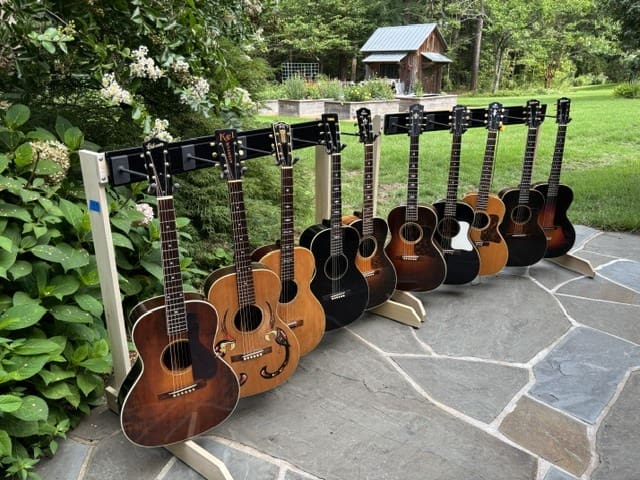
12. Mark Stutman’s Gibson Petting Zoo. Folkway Music’s Mark Stutman is THE guy when it comes to vintage Gibson acoustics. This year, he’s not only talking about the magic found in these quirky 90-year-old instruments, but he and a private collector are also bringing out over a dozen examples for Summit goers to try out.
13. The Pinewood Derby. Last year, we sent a bunch of Pinewood Derby car kits to famous guitarmakers to see what they’d come up with. It ended up being one of our favorite Summit memories, so we’re making it an annual tradition. Come see your favorite racers/luthiers and see what an actual wood master can do with a block of pine.
14. Teach Your Kids: Free Guitarmaking Class. A handful of exhibitors and attendees last year bonded over a shared love for guitars and giving back. They decided to throw a totally free intro-to-guitarmaking class for any kids who want to attend. The fun starts at 9 am on Saturday and should run for around 90 minutes in the Szold Theater. No Summit pass required.
15. New prototypes from Collings. Every year, Collings pulls out all the stops and unveils prototypes and not-yet-released models at the Summit, even stuff that hasn’t been showcased at NAMM. This year at the Summit, expect a few more surprises.
16. I can’t get over the guitar playing and arranging mastery of Shane Parish. He transcribed his favorite tracks by Autechre – an electronic music group that makes complex and layered music with seemingly no discernible notes – and turned them into guitar compositions that could fit nicely on any Kottke or Fahey record. I made a quick playlist A/B’ing a couple of Shane’s recordings after the originals. Check it out and then come see him play at the Summit. He’ll be hosting a workshop, too, where you can ask him directly about this project and how he does it.
17. Pedal Party Clinic with Jessica Dobson of Deep Sea Diver. Deep Sea Diver’s frontperson and Chris Benson from Benson Amps are longtime collaborators. During this workshop, Jessica will walk us through how she adds textures and tones to her songwriting using pedals and effects. While we always have a songwriting workshop or two at the Summit, this one takes it up a notch. Jessica is also playing our mainstage on Friday night.
18. A new-and-improved Truth About Vintage Amps room. Chicago’s amp tech Brian McAllister is a Truth About Vintage Amps listener and contributor. He always stocks the Summit with dozens of rare tube amps and PAs for other TAVA listeners and Summit attendees to check out. The room has become a surprise hit (and, of course, it can get loud), so we’re expanding its footprint this year to our East building. This is a great place to hear rare amps but also to try out the hundreds of luthier-built electrics that are for sale at the Summit.
19. Live Podcasts: All weekend long onstage, we’ll be interviewing some of our favorite artists and builders for our podcast network. This year, we’ll also be hosting a live Dipped in Tone episode, hosted by Rhett Shull, Zach Broyles (Mythos Pedals) and Addison Sauvan.
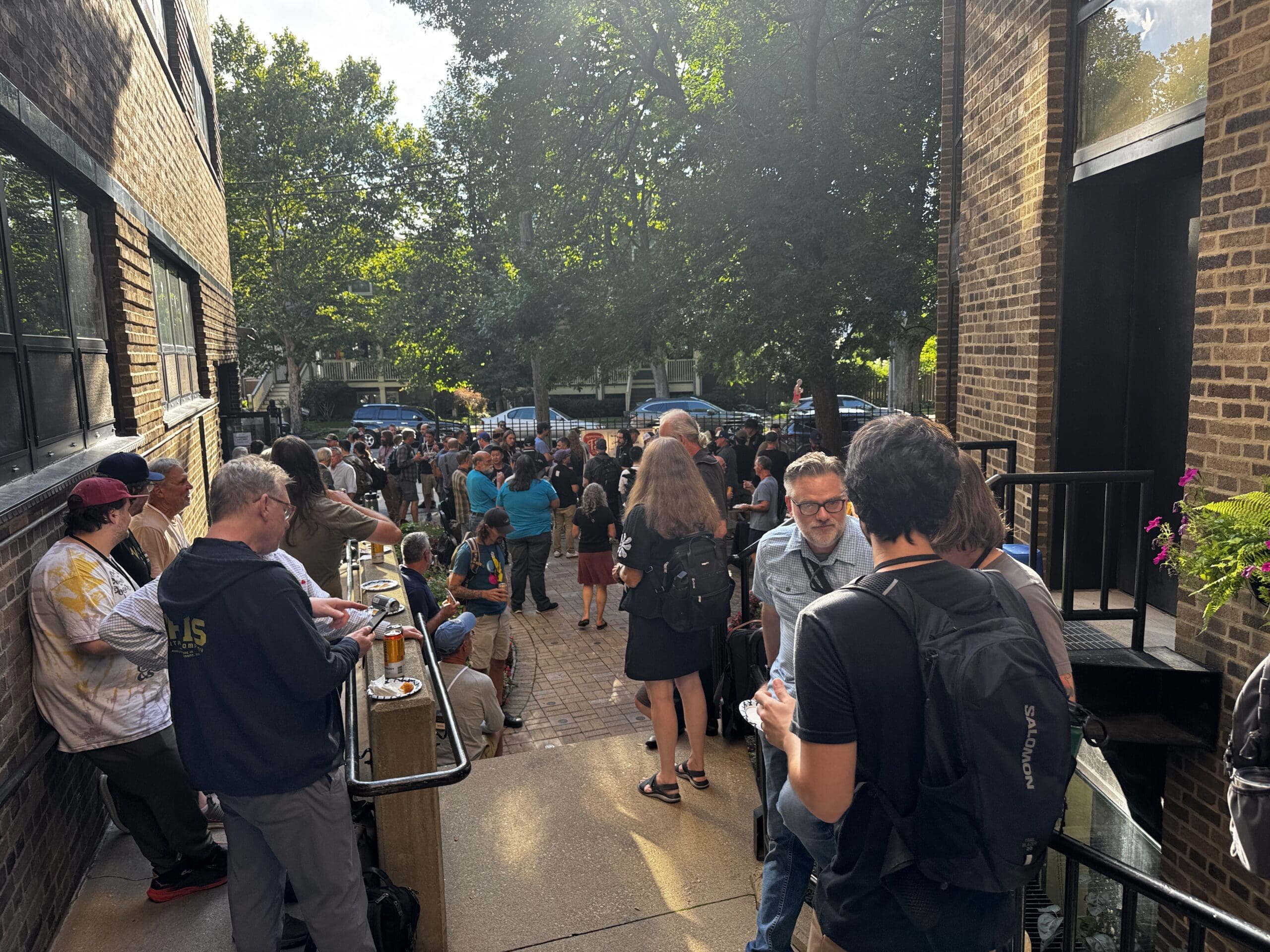
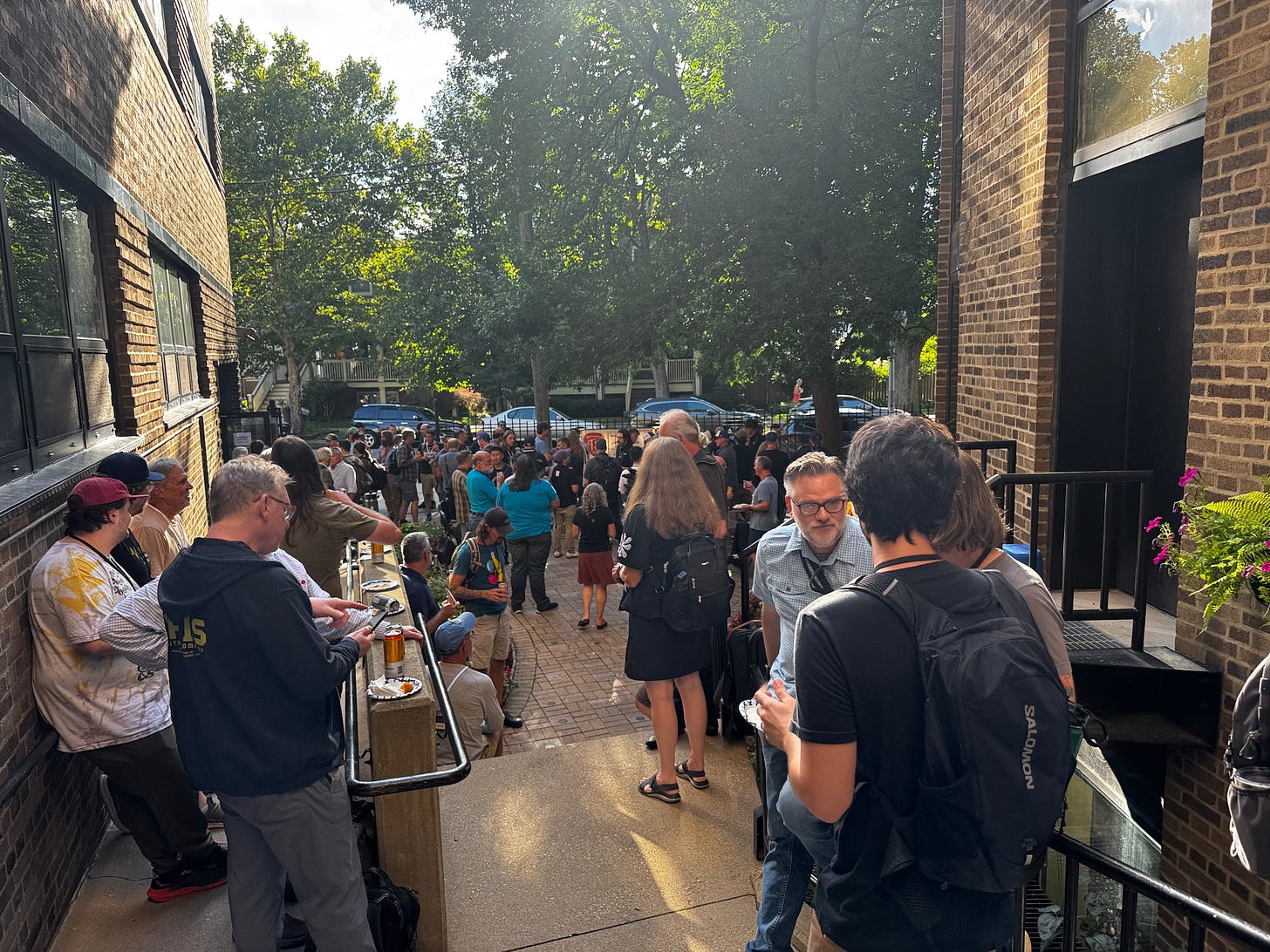
20. The people. Every year, I’m blown away by the handmade guitars, but also all the people I run into at the Summit. This weekend somehow draws Grammy winners, new players just starting out and some of the nicest people in the guitar community together. I hope to see you there, too.
Want to join us? Register for the 2026 Summit here.
The post 20 Things I Can’t Wait to See at the 2026 Fretboard Summit first appeared on Fretboard Journal.
Podcast 557: Summer School Electronics’ Mark Turley
Today on the podcast, Summer School Electronics founder Mark Turley joins us once again. We talk about Summer School’s current pedal offerings, the 2026 Fretboard Summit, and the two pedal-making classes that Mark will be teaching at the Summit.
https://www.summerschoolelectronics.com
Sign up for Summer School’s Pedal Classes: https://www.summerschoolelectronics.com/shop/p/fretboard-summit-pedal-building-class-amnk8
Register for our 2026 Summit: https://fretboardsummit.org/tickets
This year’s Summit has over 80 luthiers and brands, performances by Hand Habits, Deep Sea Diver, Jake Xerxes Fussell, Shane Parish, Michael Daves and others!
We are brought to you by Peghead Nation: https://www.pegheadnation.com
(Get your first month free or $20 off any annual subscription with the promo code FRETBOARD at checkout).
Mike & Mike’s Guitar Bar: https://mmguitarbar.com


The post Podcast 557: Summer School Electronics’ Mark Turley first appeared on Fretboard Journal.
Shane Parish – “Slip”
Guitarist Shane Parish performs Autechre’s “Slip” at the Fretboard Journal. For this session, Parish is using his Taylor 214E-G.
Parish’s 2026 Autechre Guitar album features groundbreaking acoustic guitar arrangements of Autechre’s early electronic music output. The original material is dense and layered with synths, but somehow Parish distills each composition to its essence and transforms it into beautiful guitar music. We talked to Parish about the project on a recent Fretboard Journal Podcast.
We are proud to announce that he’ll be both teaching and performing at our 2026 Fretboard Summit, our three-day guitar festival held at Chicago’s Old Town School of Folk Music. This year’s Summit takes place August 20-22, 2026. Register at fretboardsummit.org. Nearly 100 brands and luthiers will be exhibiting, plus hourly workshops and performances by Parish, Hand Habits, Michael Daves & Jacob Jolliff, Jake Xerxes Fussell, Deep Sea Diver and others.
The post Shane Parish – “Slip” first appeared on Fretboard Journal.
Wintergrass Sessions: Grant Gordy & Joe K. Walsh
At the 2026 Wintergrass festival in Bellevue, Washington, the Fretboard Journal teamed up with filmers I Know We Should to capture some of our favorite artists (and talk gear).
For this session, FJ favorites Grant Gordy and Joe K. Walsh perform “Verona” and “Moon River”
A companion video features Joe and Grant going over their gear. Joe is playing his cherished Stephen Gilchrist mandolin, while Grant is playing his 000-18 guitar built by Osaka Japan’s Hiroshi Suda.
Register now for Wintergrass 2027. The lineup in 2027 will include Sierra Hull, Jerry Douglas Band, East Nash Grass and other bluegrass favorites.
Video by Brad Wagner, audio by Juan M Soria.
We’ll be sharing more highlights from Wintergrass 2026 on a weekly basis here and on our YouTube channel.
The post Wintergrass Sessions: Grant Gordy & Joe K. Walsh first appeared on Fretboard Journal.
Podcast 556: Louis Campbell
Today on the podcast, we are joined by guitarist Louis Campbell, who talks to us about growing up playing traditional music, studying with Martin Simpson, his affinity for using the electric guitar like a piano, and much more.
You can check out his original music via his duo Spafford Campbell: https://www.spaffordcampbell.com
Above photo: York Tillyer
Join us at our 2026 Fretboard Summit in Chicago (August 20-22, 2026) for three days of guitar demos, concerts, workshops and live podcasts with some of our favorite artists.
This year’s Summit has over 80 luthiers and brands, performances by Hand Habits, Deep Sea Diver, Jake Xerxes Fussell, Shane Parish, Michael Daves and Antoine Boyer!
Register here: www.fretboardsummit.org.
We are brought to you by Peghead Nation: https://www.pegheadnation.com
(Get your first month free or $20 off any annual subscription with the promo code FRETBOARD at checkout).
Mike & Mike’s Guitar Bar: https://mmguitarbar.com
The post Podcast 556: Louis Campbell first appeared on Fretboard Journal.
Luthier on Luthier: Marco Bortolozzo
For Episode 115 of the podcast, we’re joined by classical guitarmaker Marco Bortolozzo.
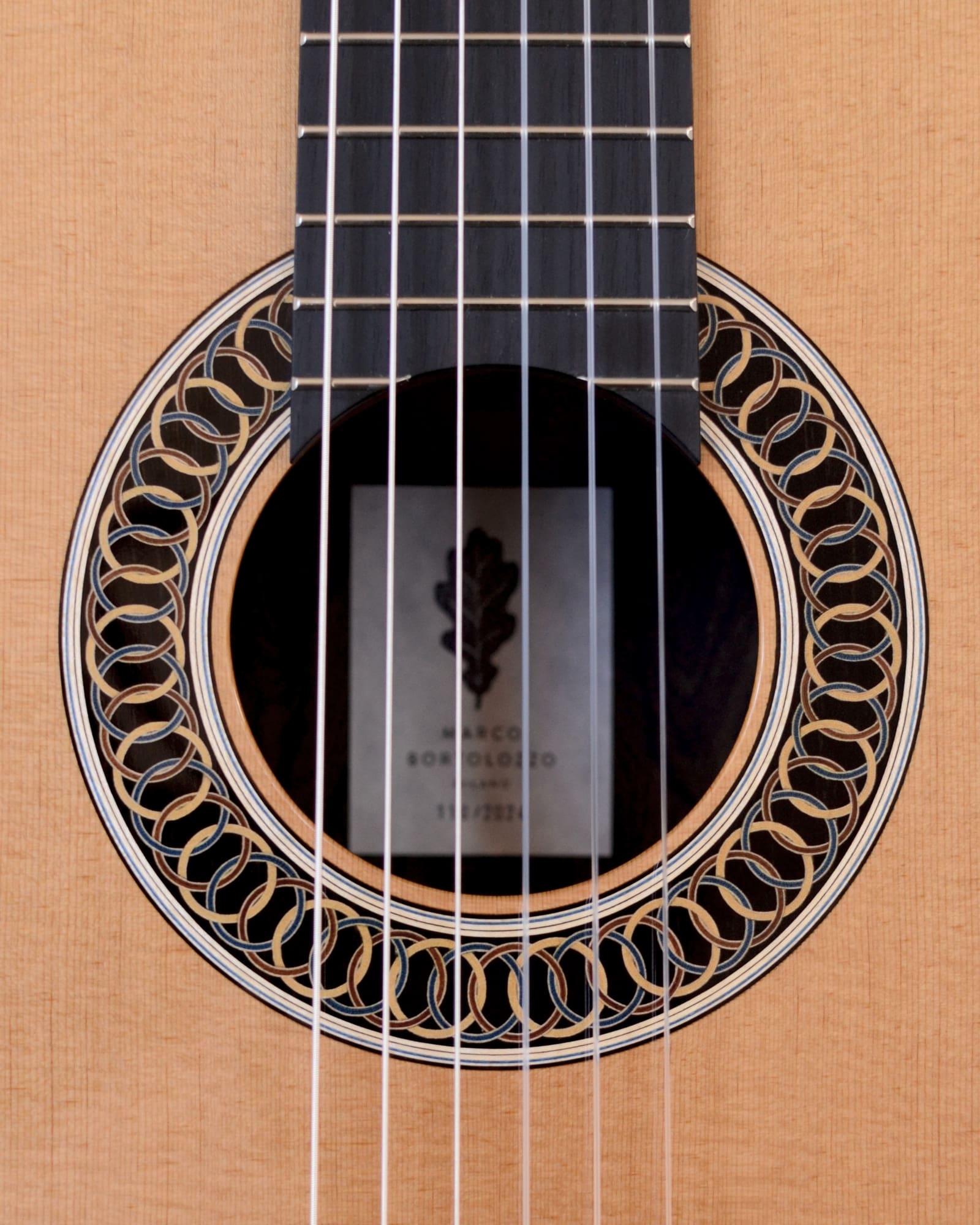
In our conversation, Marco tells us about the mentorship that launched his career, and the story behind his signature Olympic ring rosette, inspired by a 19th-century Spanish guitar. We also discuss his neck joint design, his unique use of shellac records in guitar finishes and much more.
https://www.marcobortolozzo.com/
Luthier on Luthier is hosted by Michael Bashkin of Bashkin Guitars and brought to you by the Fretboard Journal. This episode is sponsored by the Looth Group, Dream Guitars and StewMac.
Want to support Luthier on Luthier? Join our Patreon to get access to exclusive photos and content from Michael and his builds.

The post Luthier on Luthier: Marco Bortolozzo first appeared on Fretboard Journal.
Wintergrass Sessions: Tray Wellington
At the 2026 Wintergrass festival in Bellevue, Washington, the Fretboard Journal teamed up with filmers I Know We Should to capture some of our favorite artists (and talk gear).
First up, banjo player Tray Wellington performing “Moon In Motion I” / “Moon In Motion III” and “False Idols.”
A companion video features Tray going over his banjo, a newer Gibson RB-75 with a radiused fingerboard.
Follow Tray here.
Register now for Wintergrass 2027. The lineup in 2027 will include Sierra Hull, Jerry Douglas Band, East Nash Grass and other bluegrass favorites.
Video by Brad Wagner, audio by Juan M Soria.
We’ll be sharing more highlights from Wintergrass 2026 on a weekly basis here and on our YouTube channel.
The post Wintergrass Sessions: Tray Wellington first appeared on Fretboard Journal.
The Truth About Vintage Amps, Ep. 167
It’s the 167th episode of the Truth About Vintage Amps, the call-in show where amp tech Skip Simmons fields all of your tube amp and life questions.
Our sponsors: Grez Guitars; Emerald City Guitars; and Amplified Parts / Mod Electronics.
Some of the topics discussed this week:
:00 Skip’s refrigerator dies (but lives!), taking the train to the Chicago Fretboard Summit, electronica band Chessie
10:09 The LA vintage guitar show
13:52 ‘The Angel’s Share’ movie
16:18 Our sponsors and a great 2026 Fretboard Summit amp giveaway (thanks, Andy!)
19:19 A non-tech tip: Silverface control panel amps with peeling film
21:59 What’s on Skip’s bench: Magnatone amps; an early Dickerson amp; using a Trace Elliot Velocette shell for a tube amp build
26:38 How long would it take Skip to build a tube amp (on a game show)?
28:31 Starting an amp repair business, redux (Ahuntsic Amplification https://amplificationahuntsic.ca/homepage-en)
32:45 Solder Smoke Absorber Remover (Amazon link: https://amzn.to/3QPSuv6)
36:16 Modding a Silvertone Powermaster PA for guitar, dogbone resistors, 6J7 tubes
45:21 Novak hybrid guitars; did I fry my transformer?; AI Skip; cooking with duck
53:51 What to do with my dad’s 1959 Gretsch 6161 Electromatic Twin amp?; Uncle Doug on TAVA?
1:00:05 Serge Gainsbourg with a bunch of smoking kids (https://youtu.be/unYu22Ign1E?si=VkCNtOaDbloJqh63)
1:01:03 Warehouse speakers for a 1976 Silverface Vibro Champ (Instagram: @cwg_guitars)
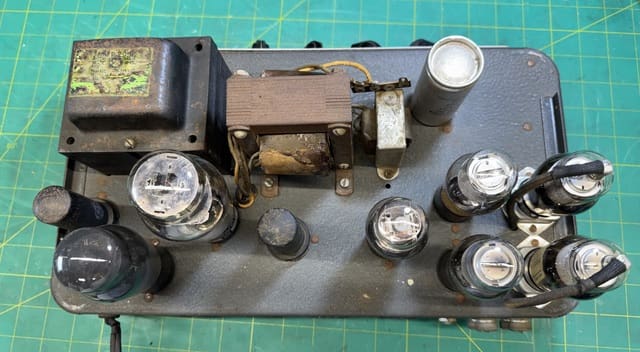
Above and below: Listener Micajah’s Silvertone Powermaster PA.
Want amp tech Skip Simmons’ advice on your DIY guitar amp projects? Want to share your top secret family recipe? Need relationship advice? Join us by sending your voice memo or written questions to podcast@fretboardjournal.com! Include a photo, too.
Want to support the show? Join our Patreon page to get to the front of the advice line, see exclusive pics, the occasional video and more.
Hosted by amp tech Skip Simmons and co-hosted/produced by Jason Verlinde of the Fretboard Journal.

The post The Truth About Vintage Amps, Ep. 167 first appeared on Fretboard Journal.
Podcast 555: Micah Preite
LA-based singer-songwriter/composer/guitarist Micah Preite joins us this week!
https://micahpreite.bandcamp.com
Though his lo-fi/indie songs have millions of streams on Spotify, Preite’s background includes time with SoCal jazz legend Bruce Forman, a visit as a teenager to the OG 2015 Fretboard Summit in California, and studying music at CalArts. He’s now working on his first full-length movie score and more songs. It’s a great chat with a young musician who can seemingly do it all.
Be like young Micah and join us at our 2026 Fretboard Summit in Chicago (August 20-22, 2026) for three days of guitar demos, concerts, workshops and live podcasts with some of our favorite artists.
This year’s Summit has over 80 luthiers and brands, performances by Hand Habits, Deep Sea Diver, Jake Xerxes Fussell, Shane Parish, Michael Daves and Antoine Boyer!
Register here: www.fretboardsummit.org.
We are brought to you by Peghead Nation: https://www.pegheadnation.com
(Get your first month free or $20 off any annual subscription with the promo code FRETBOARD at checkout).
Mike & Mike’s Guitar Bar: https://mmguitarbar.com
The post Podcast 555: Micah Preite first appeared on Fretboard Journal.
Fretboard Summit 2026: Lineup and Details
I am pleased to announce the lineup for our 2026 Fretboard Summit.
This year’s Summit is all about discovery: Hearing new artists who should be on your radar, along with the voices you’ve heard on our podcast and in our print pages. It’s also all about fun.
Included for 2026’s lineup: Jessica Dobson/Deep Sea Diver (Solo); Antoine Boyer; Hand Habits; Jake Xerxes Fussell; Michael Daves & Jacob Jolliff; The Volcano Brothers, featuring Steve Dawson, Fats Kaplin, Richard Bennett, Andy Reiss, & Dave Jacques; Shane Parish; Gabe Noel; Corey Congilio and others.
2026 speakers and instructors include many of the artists mentioned above along with Chris Martin IV (Martin Guitars), Josh Scott (JHS), Fender historian Terry Foster, TJ Thompson & Greig Hutton, Sofia Wolfson, Gabe Noel, Evan Gluck (New York Guitar Repair), Mark Stutman (Folkway Music), Barry Grzebik (Grez Guitars), yours truly and others.
Bob Taylor (Taylor Guitars) will be doing a deep dive extended look into sourcing and using woods for guitars and sharing the decades of experience he’s earned navigating CITES laws, ethically sourcing tropical woods and more.
Mark Stutman (Folkway Music) will be creating the ultimate vintage Gibson acoustic petting zoo, letting you all get your hands on 1930s Kel Kroydons and Gibson L models that you rarely see in person.
Our on-site lutherie showcase (one of the biggest in the world) will spread across the two buildings of Old Town School’s campus and feature big brands like Martin, Yamaha, Taylor, Iris, Bourgeois, and Collings; pedal makers (JHS, Browne, Summer School Electronics, Chase Bliss), amp builders (from Henriksen to Two-Rock), and over 50 independent and small-batch builders of acoustics and electrics.
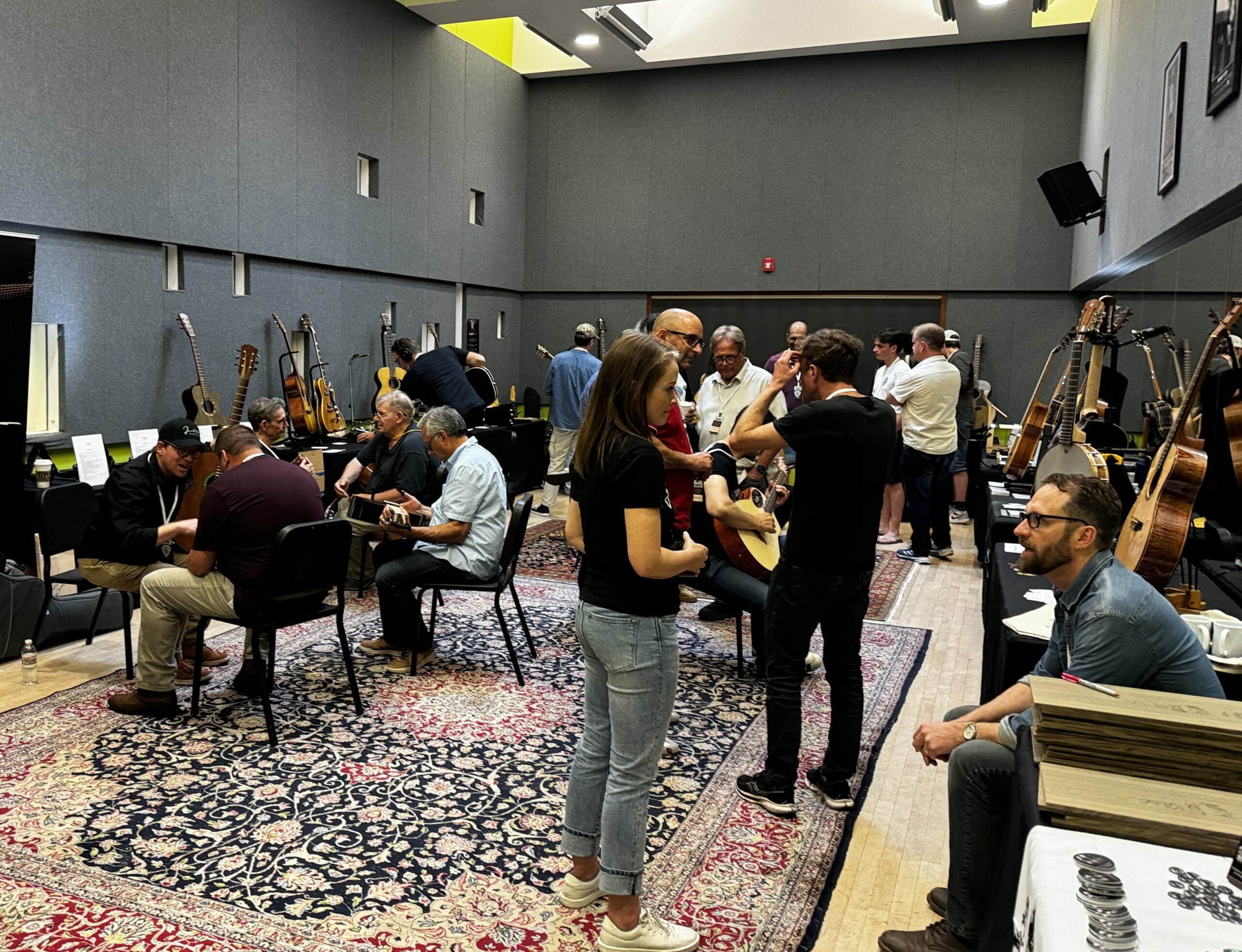
In years past, Collings and other brands unveiled new instruments and prototypes that weren’t even displayed at NAMM. This is your chance to see what may be next year’s coolest gear release.
The fun doesn’t stop there.
There will be a loud room based on our Truth About Vintage Amps Podcast if you want to try your next guitar purchase out on dozens of vintage amplifiers and PA heads. More into acoustics? We have quiet audition rooms just for those.
The Summit Pinewood Derby is returning, where luthiers put all their craft and heart into a tiny Boy Scout-approved block of pine and see who is the fastest.
We’ll have wine tasting thanks to FJ reader and vintner Bill Downie (coming all the way from Australia).
A 5K run just for guitar geeks.
Our annual Science Fair is happening, where all the uber-creative guitarmakers can show off their cutting-edge creations.
We’ll have pedal-making classes thanks to Mark from Summer School Electronics, where you can go home with the ultimate Summit souvenir, a pedal you just soldered and assembled.
Plus live podcast tapings from the FJ and other content creators, gear givaways just for registrants, and lots more.
Register here for our 2026 Summit and don’t forget to tell your friends. This is like a giant family reunion for anyone who loves guitars. All abilities, ages, styles are welcome.
Some FAQ re: the Summit.
What is the Fretboard Summit?
It’s a hang, a conference, and a music festival rolled into one.
Basically, it’s our take on the ultimate guitar geek weekend, where you can meet the heroes we celebrate on our pages and podcasts (players and builders); see some ridiculously cool concert lineups; try out (and buy) some insanely unique guitars; learn a bunch; and make some new friends.
It’s also one of the only open-to-the-public conventions that features a who’s-who of legendary guitar and gear makers, large and small batch.
Why?
Because we wanted to celebrate the community around the Fretboard Journal. Acoustic and electric. We also wanted you to be able to meet all these great personalities we interview and showcase in our magazine.
You don’t need to be a serious collector, gigging musician, or virtuoso to attend. Just have an open mind and you’ll have a blast.
Should I bring a guitar?
Only if you want! Most of our workshops are guitar-optional. We do have a guitar check-in if you want to safely store your instrument or grab a bite somewhere, but there are also hundreds of instruments to try out so you may enjoy feeling unencumbered without a guitar case.
Is this just for professionals?
No! While some of our classes are wonderfully geeky, we craft everything to be inclusive and welcoming to players of all levels. This is a festival made for musicians of all stripes. Beyond all the included guitar workshops, there are unlimited opportunities to play, jam with friends, or try out new guitar gear. We have soundproof rooms if you want to rock out (or just try guitars in private).
Space is limited because this is about as interactive as festivals get. We want you to get hands-on time with cool gear.
What is the Old Town School of Folk Music?
A Chicago institution. Founded in 1957 the Old Town School of Folk Music provides a wide range of music, dance, theater, and visual arts courses to people of all ages, abilities, and backgrounds. It’s a magical 501(c)(3) not-for-profit with an expansive campus featuring two buildings across the street from one another. We take over both facilities and fill them to the brim with sessions, workshops, jam rooms, and demo spaces.
When you picture Chicago, you may think of Wrigley Field or some busy downtown street or that one Wilco cover with the two buildings. The neighborhood that Old Town is in is easily walkable and there are dozens of nearby cafes, shops and restaurants. It’s like the cool neighborhood in your town, but in Chicago.
Who attends the Summit?
An eclectic mix of guitar fanatics (of all abilities), collectors, luthiers, industry members, and working musicians from around the world. Our crowd tends to be more eclectic and diverse than you’d think – young and old, all genders. But we all connect over a love for guitars.
Having said that: We limit Summit all-access passes to just a few hundred. We want everyone who attends to see the concerts, meet their heroes, and have fun without crowds. So if you want to come, it’s best to register soon before it sells out.
Who will I meet?
That’s up to you!
This year’s Summit has some of the most respected names in guitar craft: You can meet the crews behind Martin, Collings, Santa Cruz, Taylor, Lowden, Yamaha, JHS, Bourgeois, JHS, and Chase Bliss. It’s a rare opportunity to talk to lutherie legends like Bob Taylor (Taylor Guitars), Richard Hoover (SCGC) and Martin’s Chris Martin IV under one roof.
You’ll bump into dozens of world-class players and former FJ subjects. We also attract some of the biggest YouTube and podcast influencers around (Rhett Shull will be attending in 2025, along with the Acoustic Shoppe, Josh Scott, Dipped in Tone and others).
Best of all, you’ll meet a bunch of great players who probably aren’t currently on your radar…and fellow collectors.
What does a day look like?
Each day has over 12 hours of programming planned. We don’t expect you to catch it all (that would be crazy), but it’s there for you.
Get to Old Town School on Friday morning (August 20) at around 9 or 10 a.m., get your pass, browse the schedule and decide whether you want to browse guitars at the lutherie showcase or attend a workshop. Proceed however you like.
The Old Town campus has two buildings directly across the street from each other. It’s a little daunting at first, but just consider it a giant guitar funhouse. (Someone from the FJ or OTS will be at the front registration desk to help you if you have any questions.)
I encourage pass holders to take their time and not expect to attend everything. Some of the coolest music moments happen in the lobbies or just by sticking around a sponsor booth for a while.
There’s a lunch break every day, during which attendees and their new friends grab a bite to eat nearby. I like the Indian place about a block away, but there are burgers, dumplings, cafes and more within about 300 yards of the venue. You’ll see lots of Summit badges at neighboring restaurants. Don’t hesitate to introduce yourself. After lunch, there’s a whole new slate of afternoon sessions.
Concerts tend to start after dinner in the two theaters: The historic Maurer Concert Hall (capacity 420) is where our bigger names play, while Szold Hall is where you can catch some of the more adventurous programming. Your three-day pass gets you into everything. You can come and go as you please.
What are the workshops like?
After you’ve made the decision on what class to attend, you just show up. No reservation is needed with your all-access pass. Some classes are intimate affairs, some have 20-50 people. We put the bigger-name workshops in the main theater, but there’s typically room for everyone. You definitely don’t need a guitar to attend these workshops, though an acoustic instrument is nice to have at a few of them (we’ll let you know).
Every year, we have live podcast tapings, advanced master classes, songwriting workshops and more.
If you want to leave a session early, just politely get up and go. There are usually two to three sessions going every hour, so you can try something else.
What styles of music are represented?
Rock, bluegrass, roots music, blues, jazz, folk, singer-songwriters, and all points in between. Basically, the pages of the FJ coming to life.
How expensive is it?
For 2026, we’ve preserved our pricing from last year: Three-day passes are $400.
This includes everything, all-day-long.
Admission to all the evening concerts, all the instructional workshops, opportunities to win some truly cool guitars in our raffles, the ability to buy Summit exclusive gear, networking events, a great swag bag, and surprises.
You also get early and unlimited access to the lutherie showcase featuring over 80 guitarmakers.
Even without the rest of the Summit programming, this is arguably the largest handmade and boutique guitar showcase in North America.
Walkable dining options abound near the venue at every price point. You can stay wherever you like (see below).
Where should I stay?
We get asked this a lot.
Honestly, you can stay wherever you like in Chicago. Probably aim for a hotel or Airbnb that fits your price range somewhere north of downtown Chicago and south of downtown Evanston. If the reviews online look good and it fits your price range, go for it. (Checking your cab fare ahead of time using an online calculator is also a good idea.)
All Summit activities take place at Old Town School, from morning to night. So once you’re there each day, there’s no need to go anywhere else. Hotel Zachary near Wrigley is an Old Town staff favorite, but you really can’t go wrong if the Tripadvisor reviews and room rate meet your standards.
If you’re on a guitar forum or have friends into guitars, post about the Summit and see if you can go in on an Airbnb. There are many in the vicinity of Old Town, but they tend to get reserved quickly.
How do I sign up?
Register today at www.fretboardsummit.org. And holler if you have any questions.
Still trying to picture this event? Check out these totally unsolicited videos posted by some of our past attendees…
The post Fretboard Summit 2026: Lineup and Details first appeared on Fretboard Journal.
Podcast 554: Alex Amen
Today’s podcast episode is with songwriter and guitarist Alex Amen, who has a new album out today on ATO Records.
In this conversation, we talk about Alex’s Texan roots, mountaineering, living on a California commune, and the musical influences found on his new album.
Above image: Jackie Domi
Join us at our 2026 Fretboard Summit in Chicago (August 20-22, 2026) for three days of guitar demos, concerts, workshops and live podcasts with some of our favorite artists: https://fretboardsummit.org
This year’s Summit has over 80 luthiers and brands showcasing their new and prototype gear! 2026 speakers include Josh Scott (JHS), Mark Stutman (Folkway Music), Chris Martin IV (Martin Guitars), Fender historian Terry Foster, and many other fretted instrument luminaries.
Join us at our 2026 Fretboard Summit in Chicago for three days of guitar demos, concerts, workshops and podcast tapings with some of our favorite artists: www.fretboardsummit.org.
This year’s Summit has over 80 luthiers and brands showcasing their new and prototype gear!
Subscribe to the Fretboard Journal’s quarterly print magazine: https://shop.fretboardjournal.com/products/fretboard-journal-annual-subscription
We are brought to you by Peghead Nation: https://www.pegheadnation.com
(Get your first month free or $20 off any annual subscription with the promo code FRETBOARD at checkout).
Mike & Mike’s Guitar Bar: https://mmguitarbar.com
The post Podcast 554: Alex Amen first appeared on Fretboard Journal.