
Music is the universal language
“Glory to God in the highest heaven, and on earth peace to those on whom his favor rests.” - Luke 2:14
General Interest
Guitar Soloing Basics—Exploring Melodic Variations

Epiphone is launching a new Eric Clapton ES-335 – and you can play it this weekend at the 2026 Crossroads Guitar Festival

The 2026 edition of Eric Clapton’s Crossroads Guitar Festival is set to land in Texas this weekend (26-27 September), and will see a hand-picked selection of six-string royalty from across blues, rock, country and beyond converge upon Austin’s Moody Center for a series of electrifying performances.
This year marks the event’s seventh edition, and celebrates the 28th anniversary of the Crossroads Centre Antigua, a treatment and education facility which supports individuals affected by alcohol and substance dependency.
But aside from the obvious allure of performances by Joe Bonamassa, Buddy Guy, Gary Clark Jr., Billy Gibbons, Marcus King, Keb’ Mo’ and Sierra Hull, Gibson will also be on the ground in Texas, offering punters hands-on access to guitars, as well as “exclusive product experiences, photo opportunities and more”.
And of these guitars which attendees will have access to, is a new Epiphone Inspired by Gibson Eric Clapton signature ES-335, based on the guitar legend’s original 1964 Gibson ES-335 – the same one he played during Cream’s farewell show at the Royal Albert Hall in November 1968.
Oh, and the original will also be on display at the festival, but far out of the reach of rabid Clapton fans, no doubt.
The Epiphone Inspired by Gibson Custom Eric Clapton 1964 ES-335 TDC Reissue (bit of a mouthful) will be released in summer 2027, so there’s a bit of a wait to get one of your own. But if you’re within reach of Austin, Texas this weekend, you can head down to the Moody Center and take the new model for a spin.
Also, attendees will have the chance to enter a competition to win one of the new Epiphone Eric Clapton signature guitars, too.
The guitar is just one of over 30 Gibson and Epiphone guitars and Mesa Boogie amplifiers that’ll be available to play at the Crossroads Gibson booth, where there’ll also be the famous Gibson guitar throne, a custom built installation made from 100 real electric guitar bodies and necks – think the Game of Thrones one but for guitars. Attendees will be able to take their photo atop the throne for a chance to be featured on Gibson’s social media channels.
Elsewhere, Guitar Center will return as the exclusive retail partner of the 2026 Crossroads Festival, and has unveiled a collection of limited guitars in celebration, including an exclusive Silver Sky and a recreation of Eric Clapton’s Blind Faith Telecaster.
Learn more about the 2026 Crossroads Guitar Festival.
The post Epiphone is launching a new Eric Clapton ES-335 – and you can play it this weekend at the 2026 Crossroads Guitar Festival appeared first on Guitar.com | All Things Guitar.
Old Soul Versus Ultra Modern

P-90, Filter'Tron, And Specialty Classics | Pickups Demystified Ep. 3
The humbucker-versus-single-coil debate has a blind spot. Technically, a P-90 is a single coil and a Filter'Tron is a humbucker, so both get filed away with the usual suspects. Plug one in and you'll hear why that shortcut doesn't hold up.
In the final episode of Pickups Demystified, Tom Butwin digs into the specialty pickups that share a family tree with the two big categories but took their own path. The P-90 uses a wider coil and bar magnets for a grittier midrange than any Strat-style single coil. The Filter'Tron cancels hum like a PAF, but its narrow bobbins and thicker magnet give it a brighter, tighter voice. Tom walks through the history behind each design and highlights modern takes, including a few that drop straight into a humbucker route.
Then come the outliers. The Charlie Christian blade pickup dates back to the 1930s and helped turn the electric guitar into a lead instrument. The wide-range humbucker was Fender's oversized answer to Gibson in the early seventies, designed by Seth Lover, the same engineer behind the PAF. If your tone lives somewhere the usual two can't reach, start here.
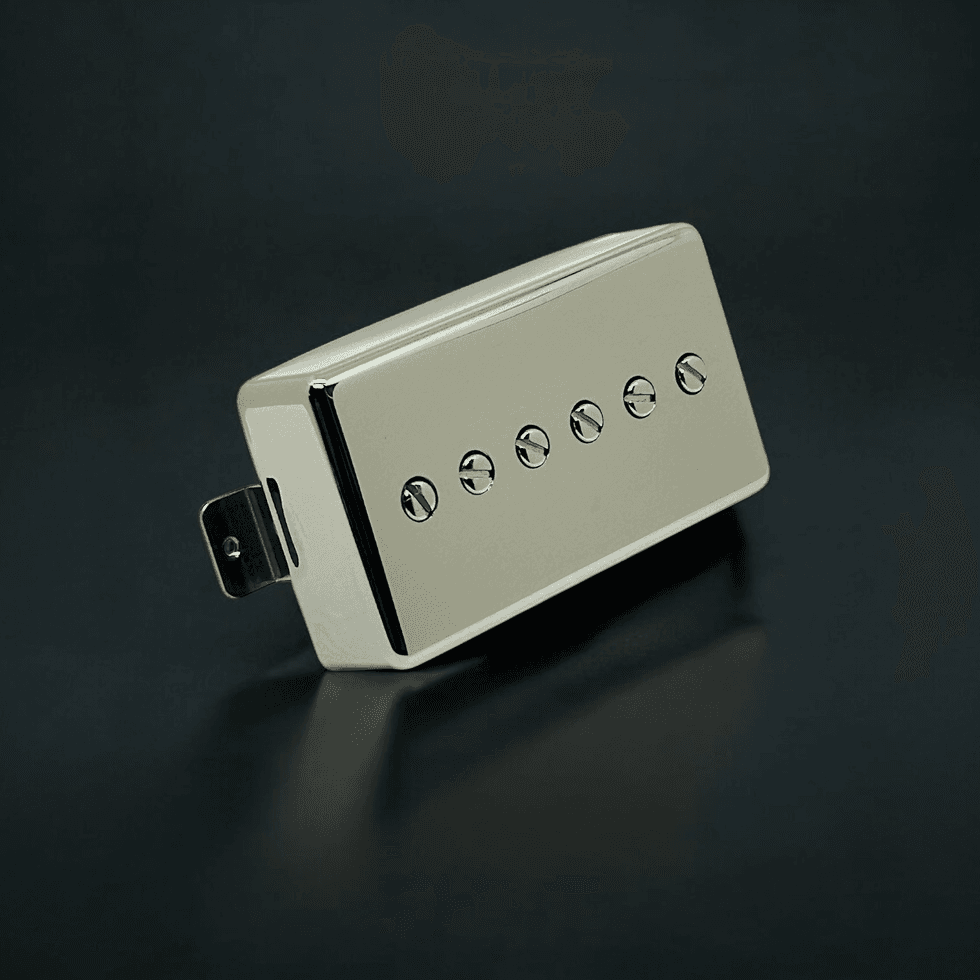
BH-90
The Brickhouse BH-90 delivers hum-free authentic single-coil clarity, power, and grit in a humbucker-sized package that drops right into your guitar. You'll get the aggressive bite and articulation of a classic P-90, with the clarity and top-end sparkle that cuts through any mix—all while staying perfectly quiet.
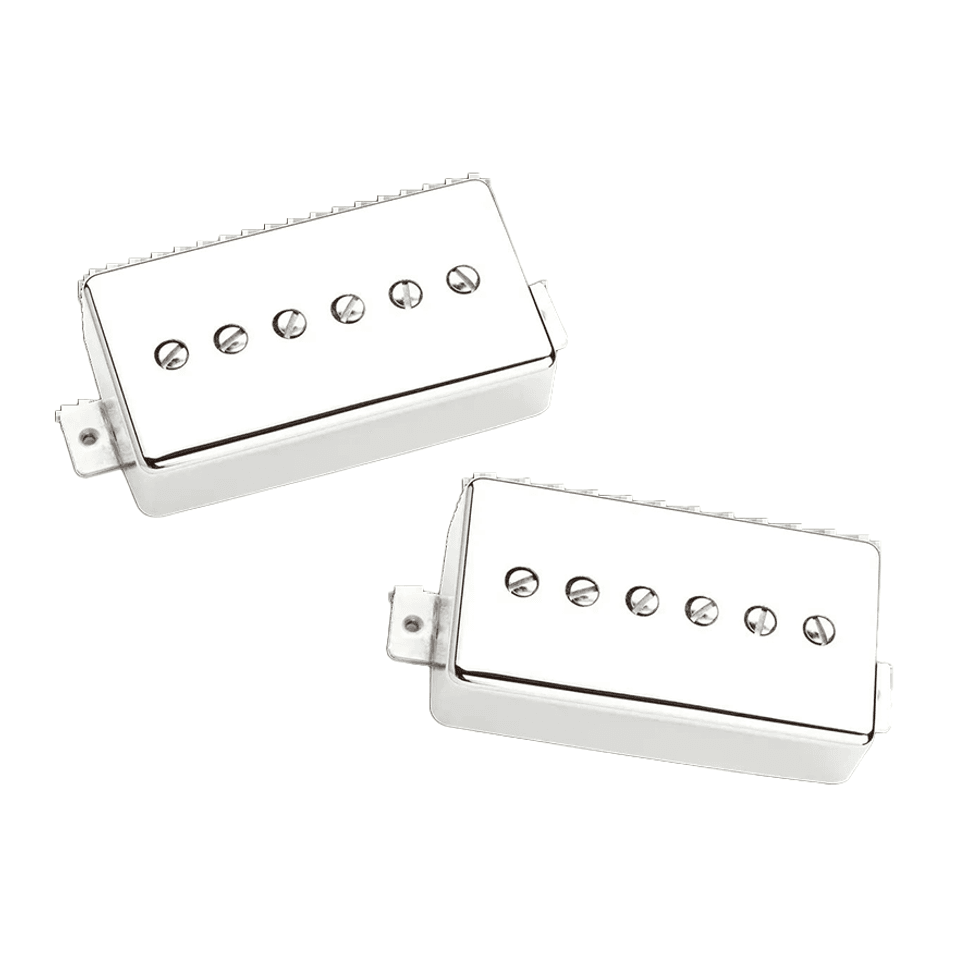
Hot Phat Cat Silencer P90 Set
The P90 sound was pivotal in rock, metal, and punk, but its noisy reputation has deterred many players, and swapping your humbuckers for P90s often meant major guitar surgery!
Enter the Hot Phat Cat Silencer! We’ve merged our humbucker-sized Phat Cat with our exclusive Hot P90 Silencer, offering an easy, noiseless solution for ripping P90 tone without compromise.
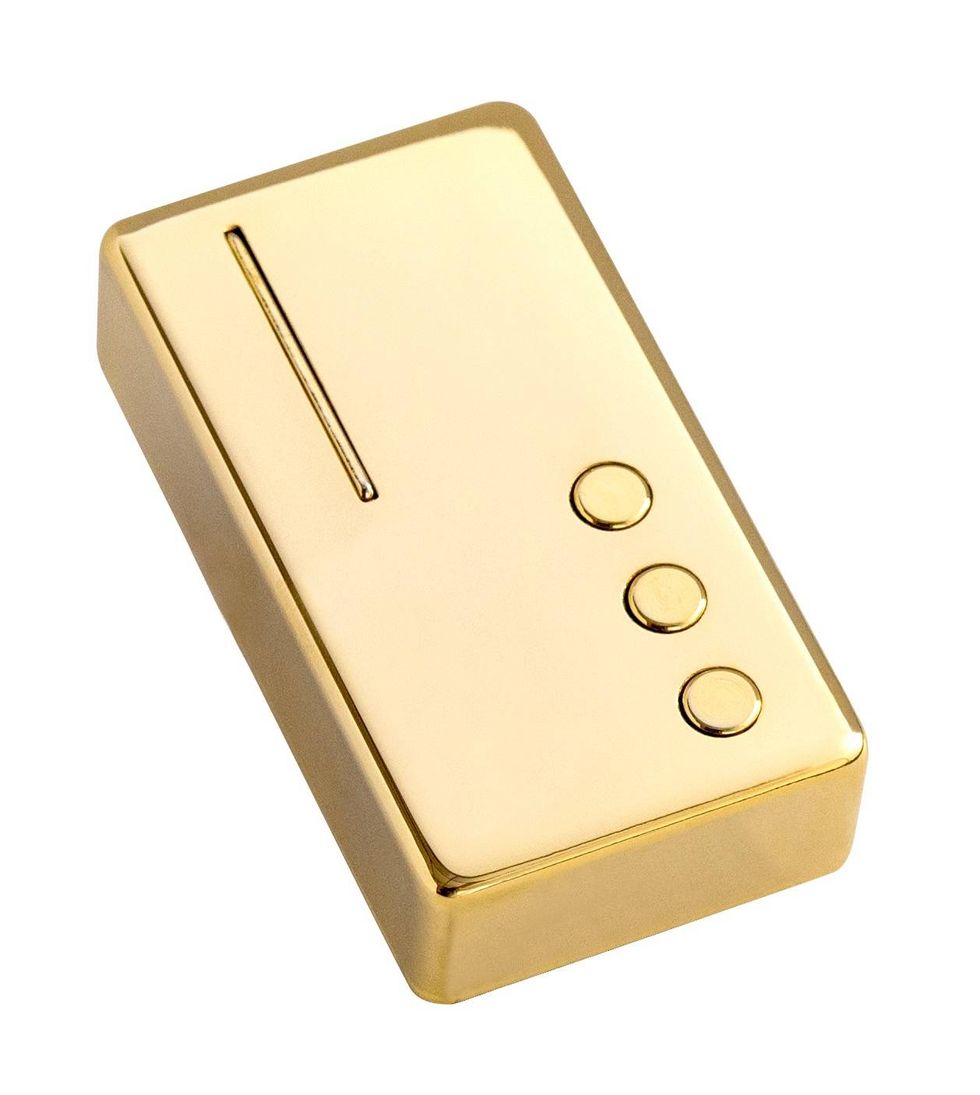
Nuevo 90 Bridge
Classic vintage P90 tone with all the fat lower mids, raw attack, and greasy goodness you’d expect, but with the tonal balance and enhanced response of the Railhammer design. Each pickup is optimized for either the bridge or neck position. Perfect for blues, classic rock, old-school punk, or any player looking for that vintage P90 vibe, but better.
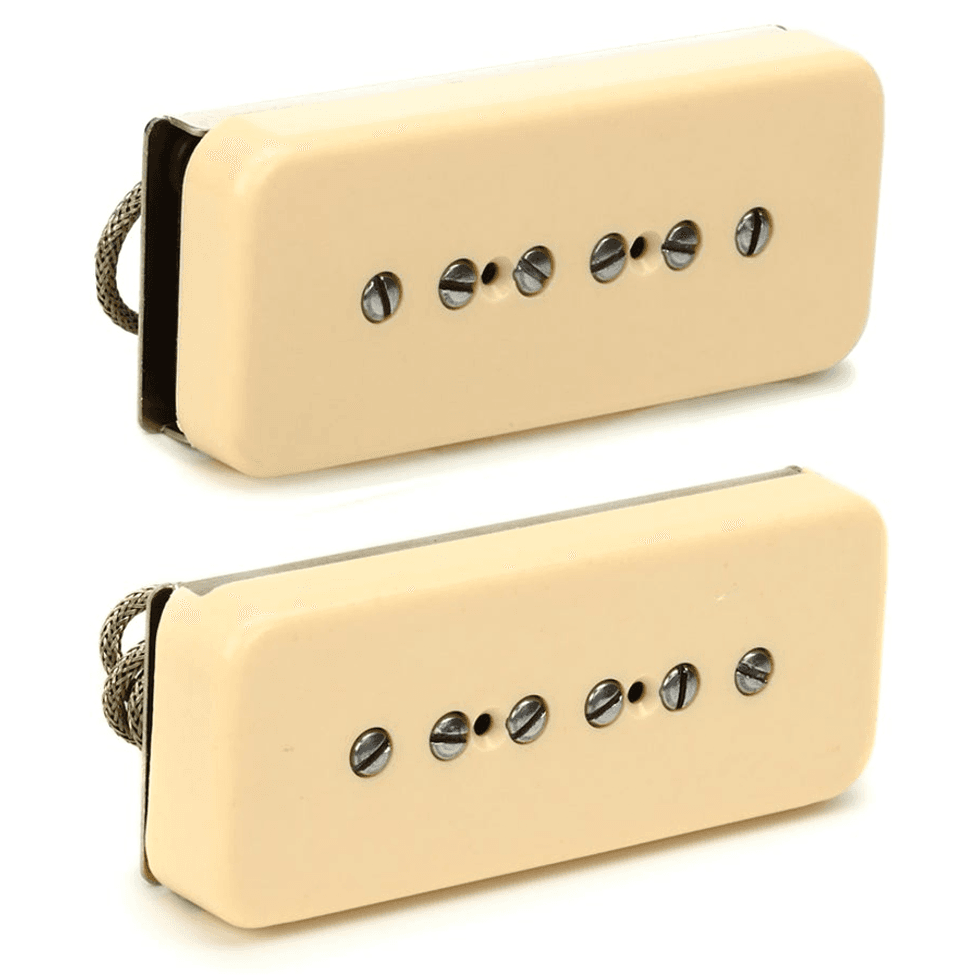
Antiquity™ P90 Set
The Antiquity P90 soapbar uses two specially calibrated Alnico 2 bar magnets and a custom coil wind to deliver the gritty, vintage-correct growl of an early ’50s Les Paul bridge pickup. Chords have a warm but sparkly midrange grit, and single notes jump out nicely without sounding harsh.
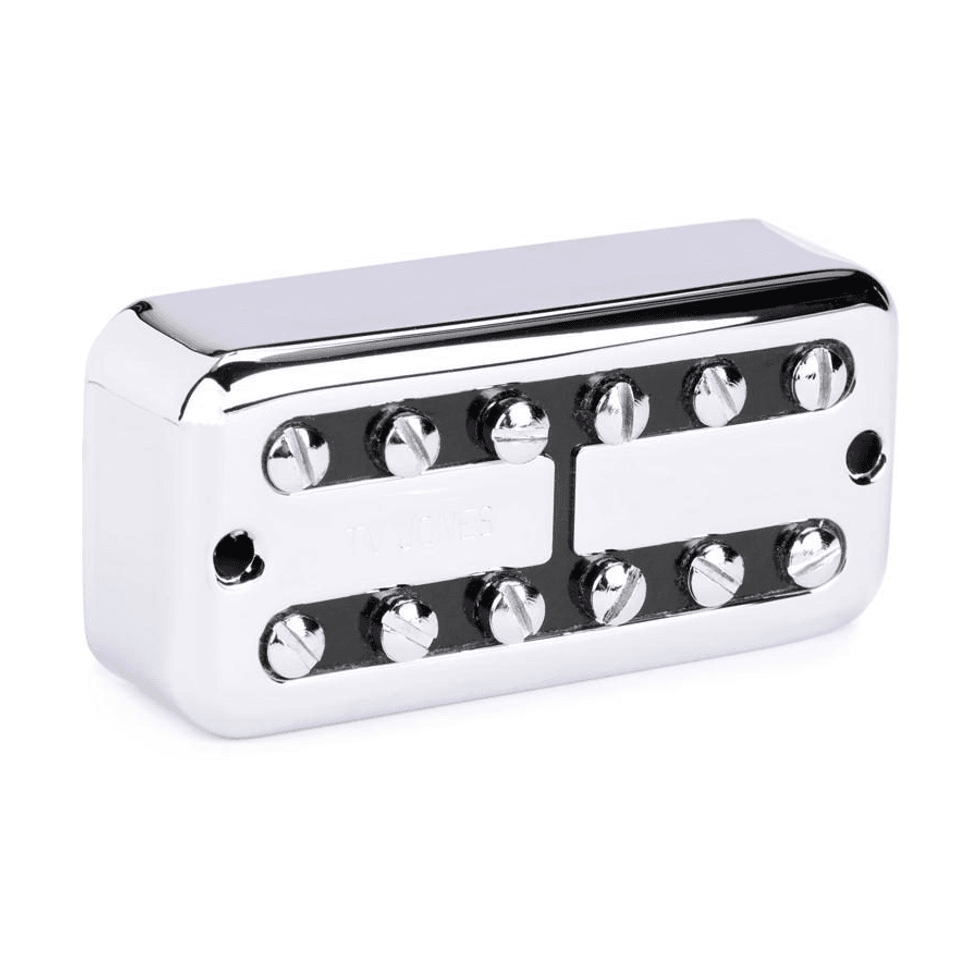
TV Classic / TV Classic Plus
The pickup that started it all - the TV Classic captures that vintage twang and growl characteristic of the late 1950's Filter'Tron. Originally designed from an analyzed 1959 "Pat. Applied For" Filter'Tron, the TV Classic is our most popular and most versatile pickup. Popularized and played by many different artists ranging from John Mayer to Brian Setzer.
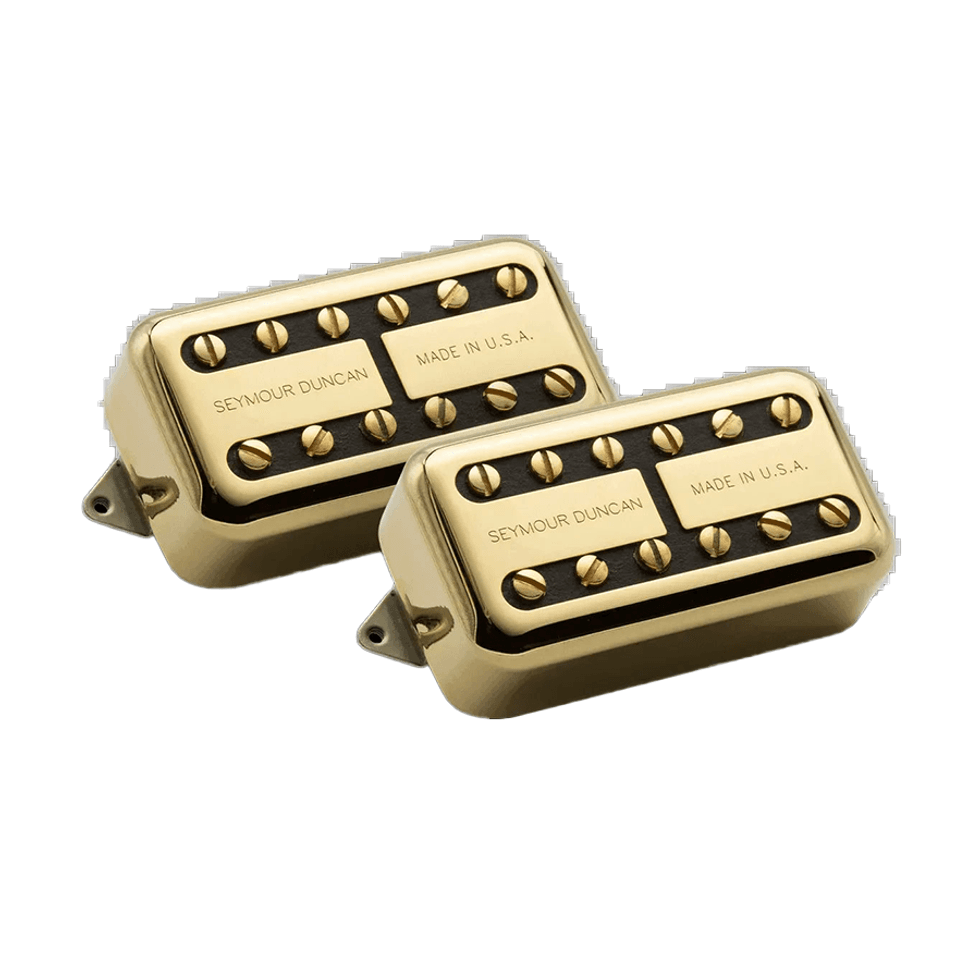
Psyclone™ Humbucker Filter’Tron Set
Whether for rockabilly, blues, country, or full-on rock and roll, the Filter’Tron pickup has long been the coolest tool for some of the coolest players. Now you can drop that twangy magic into any humbucker guitar with the Psyclone™ Humbucker Filter’Tron. Powered by double-thickness alnico V bar magnets, the Psyclone delivers vintage output for period-correct tones, with just a little extra muscle from the bridge position. Four-conductor lead wire provides plenty of wiring options and the choice of nickel or gold covers means Psyclone humbuckers will look perfect in any guitar.
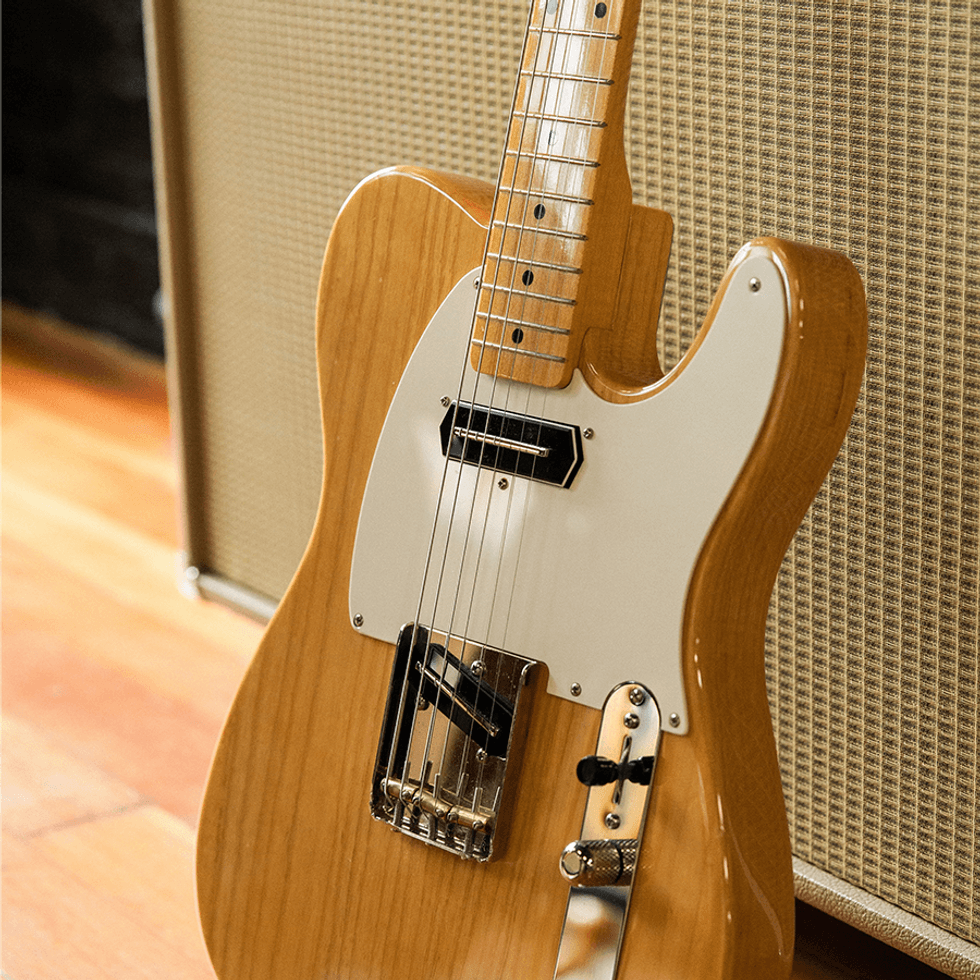
Charlie Christian for Solidbody and B.S. Tele Bridge
Guitarist Charlie Christian was instrumental in advancing the use of electric guitars in the Swing and Bebop jazz eras, bringing guitar solos to the forefront of jazz music. The Gibson® ES-150 guitar used by Christian was equipped with what is now referred to as a “Charlie Christian pickup.” Our versions of these pickups pay homage to this pioneer of music, while faithfully recreating his distinctive tone. Our Charlie Christian pickups are a great choice for jazz guitarists, but these pickups are plenty versatile. And, they’re also great for pairing with other types of pickups for even more tonal variety.
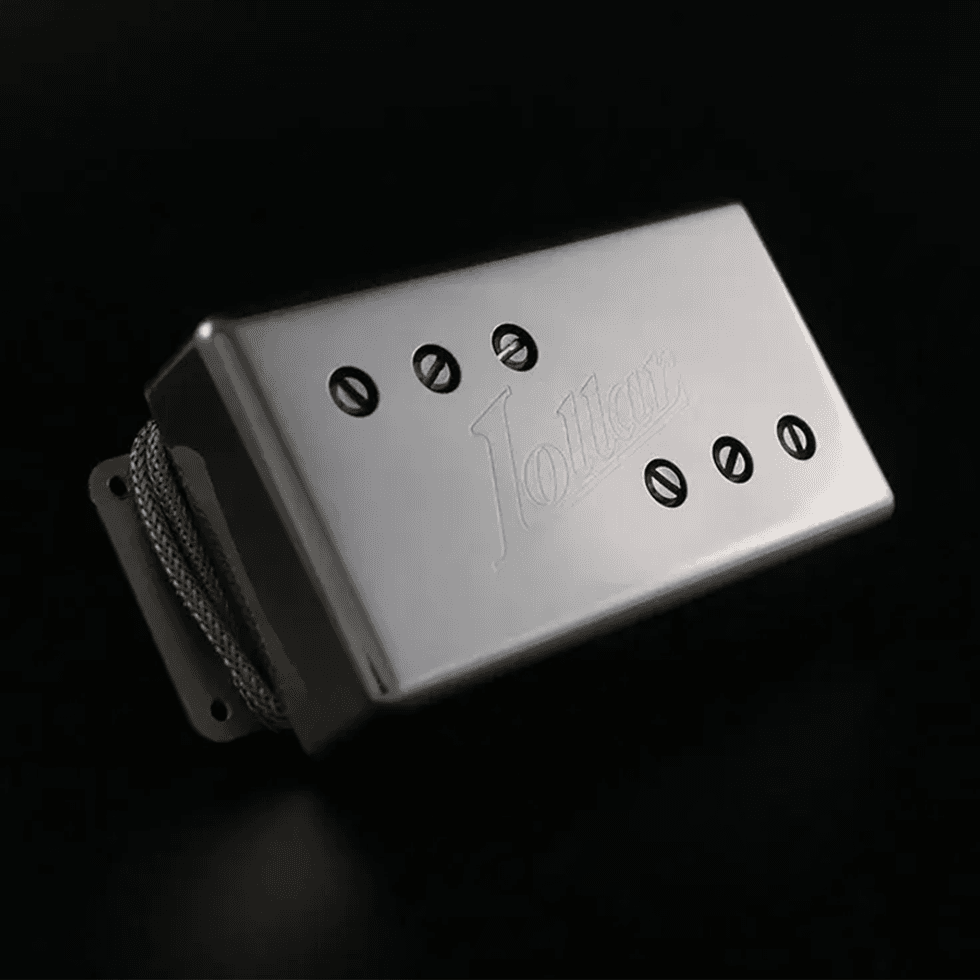
Regal
Regal™ captures the original tone and wide frequency range of the ’72 Tele® Deluxe pickups—but with some noted improvements to the volume and tonal balance between the neck and bridge pickups. It has the same footprint as the original wide range pickups*. We offer a Low Wind version of our Regal™ neck pickup with a tight, percussive low end that pairs well with single coil bridge pickups. Rout dimensions: 3.125" x 1.75".
Wintergrass Sessions: John Reischman & Patrick Sauber
At the 2026 Wintergrass Festival in Bellevue, Washington, the Fretboard Journal teamed up with filmers I Know We Should to capture some of our favorite artists (and talk gear).
In this session, we sit down with bluegrass greats John Reischman and Patrick Sauber.
We hear John and Patrick play three tunes and then the duo walks us through their cherished instruments, including John’s Lloyd Loar-signed Gibson F-5 from 1924, which has been featured in our print magazine and in other FJ videos.
Register now for Wintergrass 2027. The lineup in 2027 will include Sierra Hull, Jerry Douglas Band, East Nash Grass and other bluegrass favorites.
Video by Brad Wagner, audio by Juan M Soria.
We’ll be sharing more highlights from Wintergrass 2026 on a weekly basis here and on our YouTube channel.
The post Wintergrass Sessions: John Reischman & Patrick Sauber first appeared on Fretboard Journal.
PRS Silver Sky x Land Rover Defender: an unlikely collaboration that goes kinda hard

PRS has joined forces with Jaguar Land Rover, of all partners, to unveil a raft of new Silver Sky finishes inspired by JLR’s legendary 4×4, the Defender.
The collaboration isn’t as random as it might seem on the surface, though. The Silver Sky is the signature electric guitar of John Mayer, who also happens to be an avid fan of Defenders, and the proud owner of one in the heritage colour Arles Blue for the last 20 years. So there you go…
The new PRS x JLR partnership sees the US-made Silver Sky painted with four classic Defender colourways – Arles Blue, Willow Green, Portofino Red and Sandglow Yellow – while the more affordable SE Silver Sky also gets four new colours, this time inspired by contemporary Defender finishes. They are Petra Copper, Sedona Red, Carpathian Grey and Woolstone Green.
 Credit: PRS
The US-made edition comes with an exclusive hard case with the Defender wordmark, a neckplate with the brand’s logo and the instrument’s colour name called out, along with a matching painted headstock. The SE version has a neckplate with the Defender logo and colour called out, and comes in a PRS/Defender gig bag.
 Credit: PRS
Naturally, the US-made models are more limited, capped at 500 units of each colour (2,000 in total). Meanwhile, the SE Silver Skys are not capped, but they’ll only be available to order until midyear 2027.
“Teaming up with Defender to offer the Silver Sky guitar in their legendary 4×4 colors is a dream come true. I’ve always chosen colorways based on objects and materials that inspire me in the world, and as a collector and lover of Defenders, this collaboration is the perfect crossover between two great passions of mine,” says John Mayer.
 Credit: PRS
“Defender’s iconic color palette, spanning both heritage and contemporary finishes, translates beautifully to the PRS Silver Sky Defender Limited Edition guitars,” says Paul Gharizi, Brand Director for JLR North America. “I have no doubt that collectors, musicians and Defender fans alike will be eager to get their hands on one of these highly desirable instruments.”
Learn more about the new limited-edition Silver Sky Defender guitars at PRS.
 Credit: PRS
The post PRS Silver Sky x Land Rover Defender: an unlikely collaboration that goes kinda hard appeared first on Guitar.com | All Things Guitar.
Buddy Guy’s 90th birthday concert – featuring Eric Clapton, John Mayer, Joe Bonamassa among a stacked contingent of blues elite – will be livestreamed on pay-per-view

90 years young is always deserving of a solid celebration. But if you’re Buddy Guy, and you’ve been as instrumental in shaping guitar music for decades as he has, you’ve really gotta blow the roof off.
The legendary Chicago blues pioneer actually celebrated his 90th birthday on 30 July, but he’s deferred the main celebration until 1 October, when a selection of some of the world’s greatest blues players will convene for a one-night-only celebration of his life and the blues.
- READ MORE: Tesla owner enjoys an afternoon of guitar practice – while allegedly driving 60mph on the motorway
The lineup includes some of the most elite guitarists of today from the world of blues and beyond, including Eric Clapton, John Mayer, Gary Clark Jr., Susan Tedeschi and Derek Trucks, Joe Bonamassa, Billy F. Gibbons, Eric Gales, Kenny Wayne Shepherd, Jimmie Vaughan and Christone “Kingfish” Ingram.
As you’d expect, then, the event at New York’s Radio City Music Hall sold out quickly when it was announced back in June. But fear not, as you no longer have a reason to miss out…
That’s right – Buddy’s Got the Blues: A 90th Birthday Concert Celebration will also be livestreamed worldwide via pay-per-view, meaning you can tune into the landmark evening from the comfort of your own couch.
With Steve Jordan serving as the event’s musical director, and acclaimed filmmaker Martyn Atkins directing the cinematography, the livestream will be available in both HD and 4K, hosted via the nugs mobile app and online via nugs.net.
Mobile and desktop are the points of purchase, however the show can also be streamed via Roku, Apple TV, Amazon Fire TV, Google TV and other Android TV devices.
Price-wise, to watch the show in HD it’ll set you back $39.99, while the 4K version is priced at $49.99. Newcomers to the nugs platform can take advantage of a “Buy & Subscribe” option to get 25% off the pay-per-view, while also unlocking the full nugs catalogue of music livestreams, with videos from Metallica, Dead & Company, Pearl Jam, Bruce Springsteen and more.
A portion of the proceeds from PPV sales for Buddy Guy’s stream will be donated to the American Cancer Society, a charity selected by Guy.
You can grab your PPV ticket to Buddy Guy’s 90th birthday now via nugs.net.
The post Buddy Guy’s 90th birthday concert – featuring Eric Clapton, John Mayer, Joe Bonamassa among a stacked contingent of blues elite – will be livestreamed on pay-per-view appeared first on Guitar.com | All Things Guitar.
Full range: how Headrush’s new FRFR-8 and FRFR-12 cabs let you lose the headphones at home, and bring studio-quality tones to life on stages of any size

Ad feature with HeadRush.
So, you’ve embraced the world of digital modelling. Maybe you’ve been using it since the early 2000s, or maybe you’ve only just jumped from real amps – either way, it’s an exciting time for the digitally-minded guitarist! Modelling and capture technology has progressed to the point where you really don’t need to compromise on sound to access the flexibility you get from going digital. But there are some things that 1s and 0s cannot replicate, and at some point your digital tone does need to enter the analogue world of actual sound – and for that, FRFR cabinets might be the most flexible and powerful solution.
HeadRush’s new FRFR-8 and FRFR-12 units will be pretty familiar to anyone who’s used a guitar combo before, at least aesthetically – they’re smart looking things that won’t look out of place in a living room or on a stage. But their amp-like stylings are hiding some serious FRFR power – quite literally. The 8 houses an 8-inch woofer alongside a 1-inch compression driver and horn, and boasts a whopping 450 watts of peak power – while the 12 houses a 12-inch woofer, a 1-inch compression driver, and delivers 750 watts of peak power. Let’s dive into how they could transform how you interact with your digital tones.
FRFR cabs – what are they, and when do you need one?

FRFR stands for Full Range, Flat Response, describing a powered speaker that’s designed to amplify the full range of human hearing (around 20hz to 20Khz) as evenly as possible. This makes FRFR speakers very distinct from traditional guitar speaker cabinets, which have a drastically uneven response. Traditional guitar speakers – and by extension virtual cabinets and IRs – focus most on the midrange, where the sound of an electric guitar is most present and articulate, and generally roll off extreme highs and lows, given them their characteristic sound, and, importantly, getting rid of fizzy overtones from a raw amplifier signal.
So why might you need an FRFR cabinet? Well, they give you a ‘best of both worlds’ proposition. Like headphones or studio monitors, you can use all of a virtual signal chain found in modelling units such as the HeadRush Flex Prime without worry. You can switch between virtual cabinets without being chained to the character of a real set of 12” guitar speakers, and embrace wild synth-based patches and shimmering, full-range ambient effects, without having all of that extra sonic information bottle-necked by the more limited response of a traditional guitar-speaker.
At home

It’s a lot easier to get a usable at-home sound with an FRFR than a lot of traditional guitar amp/cab setups. Sure, tube amps add that all-important power-amp saturation when you really gun them, but, unless you live on a remote farm this does involve playing at rather unneighbourly volumes. Even if you use an attenuator, guitar speakers like being driven a bit – but a modeller combined with an FRFR cabs will be far more volume-agnostic, meaning you can play at perfect conversational levels without waking up the whole street.
And even if you are already converted to the church of the digital, there’s a benefit to a FRFR cabinet over, say, headphones or studio monitors. You don’t need to be chained to your desk setup, stuck staring at a computer screen with headphones on. You can plug away at scale exercises or engage in ambient noodling wherever you please, be that in stood up, wandering freely around your dedicated practice space, or plonked on the sofa half-watching reruns of Gardeners’ World. Want to practice to a track? In-built Bluetooth functionality makes that easy – just load it up on your phone, and get playing.
On stage

Let’s turn the volume up. Playing live with a modeller can be great for sonic flexibility, of course – but if you’re used to the sheer trouser-shaking excitement of a real amp behind you, the experience can be quite different. Maybe you rely on a bit of feedback as part of your sound. Or, maybe you’re playing a range of venues, and you don’t want to take a gamble on whether the PA or monitor wedges will let your modelled guitar tones actually compete with your drummer.
So HeadRush’s new FRFR-8 and FRFR-12 can bring the two experiences of playing digital and playing real amps much closer together, without compromise. You get the excitement and impact of real air moving behind you, without having to lose the flexibility of sound that modelling can afford.
And thanks to the I/O of the new HeadRush FRFR range, you also don’t have to worry about running out of outputs – line-outs mean that even if you’re running a dual-speaker stereo setup, you can chain from your modeller to the FRFR cabs, to the front-of-house – ideal if you’re playing a larger stage and don’t want to just rely on the sound of your cabinet.
But no matter what stage we’re on, us guitarists are an image-conscious bunch. While you might want your FRFR speaker to have a neutral look, there’s still a bit of romance in tolex and grill-cloth. The new FRFR’s range from headrush won’t harsh your stage-dress, with classy vintage looks. They do still bring modern functionality to the familiar form – for instance, a sturdy kickstand lets you angle the cabs back for ideal monitoring performance, and the three-band EQ and variable high-cut filter allow for powerful sonic adjustments on the fly.
Best of both worlds
2026 has been a great year for fans of digital guitar sounds. HeadRush’s latest range of modelling units – Prime, Flex Prime and Core, now support NAM A2, the latest and greatest in open-source amplifier capture technology, while still offering a flexible signal chain, extensive I/O and a fantastic price to performance ratio. If you’re worried about how to bring this new world of sounds to home practices or to stages of any size, HeadRush’s FRFR-8 and FRFR-12 cabs make the process a breeze.
Find out more about the HeadRush FRFR-8 and FRFR-12 at headrushfx.com.
The post Full range: how Headrush’s new FRFR-8 and FRFR-12 cabs let you lose the headphones at home, and bring studio-quality tones to life on stages of any size appeared first on Guitar.com | All Things Guitar.
Seymour Duncan Unveils Duncan Distortion 50th Anniversary Set
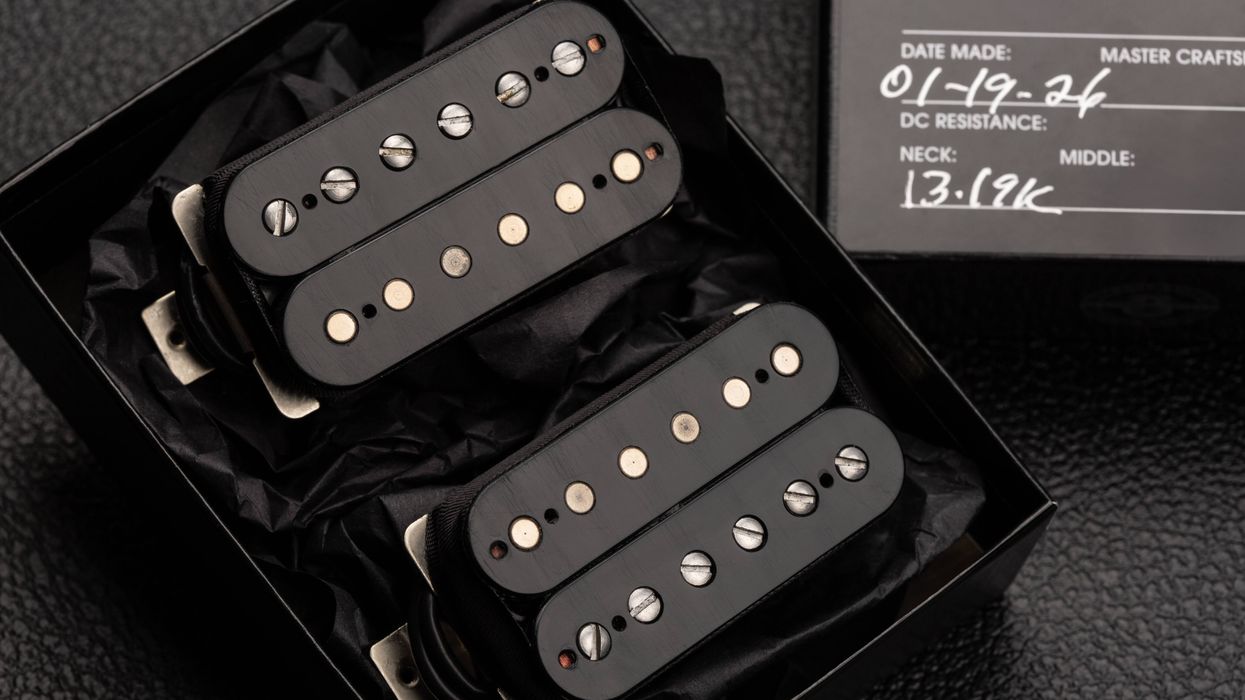
Seymour Duncan has unveiled the Duncan Distortion Limited Edition 50th Anniversary Custom Shop Set.
Each set is built to exacting standards in the company’s custom shop by a small, elite team led by Maricela “MJ” Juarez. Limited to only 500 sets worldwide, all are built to original specifications and include replica “Seymourized” and model name stickers, just like the earliest builds that collectors have hunted for decades. Lightly aged for vintage character, each set arrives in exclusive 50th Anniversary packaging in your choice of black or zebra, with bottom plates hand-signed by Seymour and MJ.
Key features:
- Limited 50th Anniversary Custom Shop Set: a one-time run of only 500 sets, honoring one of Seymour Duncan's most aggressive and enduring designs
- Original high-output ceramic humbucker: large ceramic magnet and hot coil windings deliver tight, percussive lows, searing highs, and a cutting upper midrange
- True to original specs: built with butyrate bobbins, long-leg baseplates, and maple spacers, while staying faithful to the classic Duncan Distortion voice
- Paired with the Seymourizer II neck pickup (later renamed Duncan Distortion Neck): fluid sustain under gain, with articulate clean tones
- Hand-built by the company’s Custom Shop team: includes bottom plates hand-signed by Seymour W. Duncan and MJ
- Vintage-correct details: lightly aged for authentic character, and includes replica "Seymourized" and model stickers
- Exclusive 50th Anniversary packaging
- Available in either choice of black or zebra
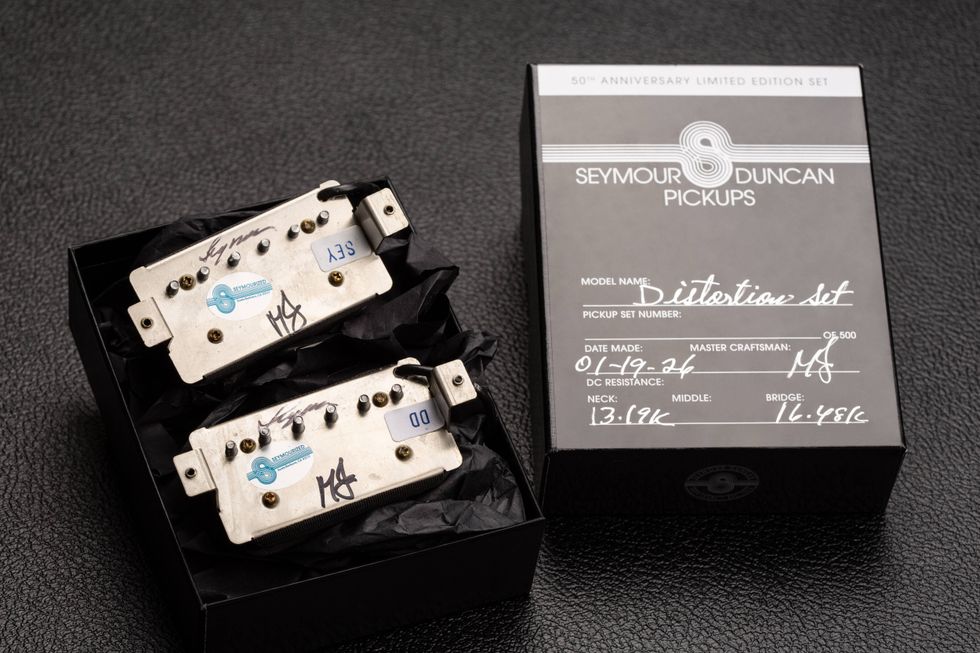
The Duncan Distortion bridge pickup is Seymour's original high-output ceramic humbucker. Built with a large ceramic magnet and hot coil windings, it delivers tight, percussive lows, searing highs, and a powerful upper midrange that cuts through any mix. It retains clarity while driving amps harder, giving players the raw, immediate response that defined decades of rock and metal. The sonic formula of this set remains unchanged from the production models, and preserves the classic aggressive voice favored by legends like Randy Rhoads, George Lynch and Adam Jones. Paired with the hot Seymourizer II neck pickup (later renamed Duncan Distortion Neck) as the perfect complement, the set delivers fluid sustain under gain while maintaining articulate clean tones.
The core design of the Duncan Distortion was set when production began in the late '70s, and it hasn't changed since. Over the years, small adjustments were made to improve consistency and player flexibility, like bobbins better suited for vacuum wax potting. This exclusive 50th Anniversary Custom Shop version honors our history by returning to early specs including butyrate bobbins, long-leg baseplates, and maple spacers, while staying true to the classic Duncan Distortion tone.
The Duncan Distortion Limited Edition 50th Anniversary Custom Shop Set carries a street price of $375.00. For more information visit seymourduncan.com.
Tesla owner enjoys an afternoon of guitar practice – while allegedly driving 60mph on the motorway
![A picture of a Tesla [main], with a picture of a man playing guitar [inset]](https://guitar.com/wp-content/uploads/2026/09/Tesla-guitar-hero@2000x1500.jpg)
A Tesla can drive, steer and even park itself… but can it play guitar? Unfortunately, no – car manufacturers haven’t crafted a musically proficient vehicle just yet. But don’t be disheartened! That just means that it’s down to us humans to pick up the slack. If your car is doing all the driving, why sit idly, twiddling your thumbs, when you could be putting them to good use working on your chord progressions?
For legal reasons, we don’t actually condone doing that. In fact, one London driver has gotten in trouble with the law after allegedly playing guitar while zooming down the M25 at 60mph. We can only assume which track he was allegedly playing in that moment – perhaps a foreshadowing Smoke On The Water before being plunged into hot water? Or Sammy Hagar’s ode to reckless driving, I Can’t Drive 55?
Surrey Police shamed the driver for his impromptu car set on Instagram. According to the Surrey Police, they received a call from a member of the public claiming to have seen a Tesla driver “playing a guitar whilst driving on the M25 at 60mph in the Reigate area”.
You may be wondering how this is possible – well, even futuristic cars have their limitations. Namely, a Tesla car will only engage its autopilot functions if it detects a driver within the car. In order to detect a driver, a series of cameras, sensors and weight-monitoring functions are in place… and they’re dangerously simple to bypass.
Back in June, it emerged that Tesla ‘drivers’ were buying tiny doll heads to trick their cars. While a few iterations appeared on the market, the core idea was to line up the doll head so it looked like the driver’s actual head – then the car believed that the owner was looking up at the road, and would continue self-driving.
But how did this Surrey Tesla driver bypass his car’s sensors? Once the driver was intercepted, the police searched his car and discovered that he had covered the rearview mirror camera, as well as putting a weight on his steering wheel. “He had covered the interior camera which checks driver attention and he had used a weighted device in the steering wheel to make the car think the driver was holding the wheel,” the post explains.
According to the police, the driver has been reported to court for his driving, citing it as an act of “driving without due care or attention”. His licensing authority has reportedly also been made aware of the case, as he apparently works as a “private hire driver”. Now, driver truly can’t drive 55… or, potentially, ever again.
The post Tesla owner enjoys an afternoon of guitar practice – while allegedly driving 60mph on the motorway appeared first on Guitar.com | All Things Guitar.
“One pickup. One knob. One mission: Pure rock”: Epiphone revives Joan Jett’s signature Olympic Special

Epiphone has partnered with rock legend Joan Jett on a new version of her signature Olympic Special.
Landing in time for the 45th anniversary celebrations of her first two albums with the Blackhearts, Bad Reputation (1980) and I Love Rock ‘n’ Roll (1981), the guitar features a no-frills design based on Jett’s original Gibson Melody Maker.
In terms of specs, the no-nonsense guitar features a lightweight, asymmetrical double-cut mahogany body with a glued-in mahogany neck with an Olympic Special profile, and rosewood fingerboard with a 12” radius, 22 medium jumbo frets and pearloid dot inlays.
- READ MORE: “It was just so difficult and insane”: Joe Satriani tells the story of his favourite guitar solo
This is completed by a headstock retaining the “unmistakable” silhouette of the Olympic Special, fitted with die-cast tuners and a Graph tech nut for rock-solid tuning stability. The headstock also features a gold recreation of Jett’s signature on the back for a finishing visual touch on an otherwise “performance-focused instrument”.
 Credit: Epiphone
The guitar continues its streamlined approach in its electronics, with a single PowerHammer ProBucker pickup and single volume knob with a rubber grip and an on/off toggle switch. It’s an “intentionally streamlined control layout for a simple philosophy: remove the distractions and let the player take control. One pickup. One knob. One mission. Pure rock”.
“Joan Jett has never followed the crowd, and her choice of guitar is no exception,” says Epiphone. “Through her music, activism, and uncompromising presence, Joan continues to electrify and influence new generations, and the Epiphone Joan Jett Olympic Special channels that same bold spirit into a lean, stage-ready rock ’n’ roll instrument.
 Credit: Epiphone
“Finished with a sharp, understated look and built around a straightforward layout, its lone humbucker pickup delivers unapologetically powerful tone. This is a guitar defined by attitude and focus – nothing more, nothing less. It’s made for players who want to plug in, crank it up, and be heard, just like Joan.”
The Joan Jett Olympic Special is finished in a classic Vintage Sunburst, and ships with a custom premium gig bag and artist sticker set.
Price-wise, the guitar clocks in at £599. Learn more at Epiphone.
The post “One pickup. One knob. One mission: Pure rock”: Epiphone revives Joan Jett’s signature Olympic Special appeared first on Guitar.com | All Things Guitar.
James Hetfield says this legendary metal guitarist is the ultimate “Riff Lord”

On any list of the world’s most influential guitarists, few players deserve a place quite like James Hetfield. A walking riff factory with the most relentless right hand in the game, the Metallica frontman has largely shaped the world of heavy metal as we know it today.
But there’s always a bigger fish, as they say…
Every guitarist, no matter how successful they become, was first inspired by someone. And for James Hetfield, his hero comes in the form of legendary Black Sabbath guitarist and heavy metal forefather Tony Iommi.
Iommi is widely regarded as the guitarist who gave birth to the entire genre of heavy metal, his riffs in such Sabbath classics as War Pigs, Paranoid and Iron Man influencing generation after generation of aspiring players.
And in a new episode of James Hetfield’s Riff Life on SiriusXM’s Maximum Metallica – a 24/7 station dedicated to all things Metallica – the frontman waxes lyrical on his adoration for Tony Iommi, and how he has shaped him as a guitarist all these years.
“Tony Iommi is the Riff Lord in my mind. He is the one that has inspired me the most out of any guitar player for my rhythm guitar playing and songwriting,“ Hetfield says.
Citing the riff of Black Sabbath’s Children of the Grave, he continues: “Obviously, Tony is the Riff Lord and everyone starts the song together on the one riff… You know, basically Tony plays off that riff, goes in to hit the big giant chords, which opens the song up.”
“I really love the drum overdub that they did to help with that percussion of the riff and the real cool ghostly guitar sounds at the very end.”
At 78 years old, Tony Iommi is still very much an active riff machine. Next month, he’ll release his third solo album – and first in 21 years – From the Dark. The album, which arrives a little over a year on from the death of his Black Sabbath bandmate and friend Ozzy Osbourne, will comprise eight tracks, and even feature some Iommi acoustic playing…
He said of his decision to grab a strummer for the new album that it largely came down to wanting to push himself outside his comfort zone.
“I like to do something you don’t really expect. And to be honest, I hate playing acoustic,” he confessed. “I’m not very good at playing acoustic.”
Watch the full clip with James Hetfield praising Tony Iommi as the ultimate “Riff Lord” below:
The post James Hetfield says this legendary metal guitarist is the ultimate “Riff Lord” appeared first on Guitar.com | All Things Guitar.
“It was just so difficult and insane” Joe Satriani tells the story of his favourite guitar solo

In terms of sweepingly melodic, transportive bliss, few rock instrumentals match the dizzying heights of Joe Satriani’s title track to his 1989 album, Flying in a Blue Dream. Yet behind the song’s weightless, majestic feel was a period of grueling physical, creative and personal chaos. Not only was Satriani coming off a punishing year of touring and recording, but he was also dealing with the grief of losing his father and grandmother. At the same time, he was battling an undiagnosed intestinal illness that left him constantly running to doctors.
“It was just so difficult and insane,” Satriani recalls, “but there was also this enormous amount of creativity. I went on tour playing guitar for Mick Jagger, and at the end of the tour I picked up Giardia in Southeast Asia, only I didn’t know it for a while. They looked at everything from my appendix to my brain – every time they had an idea about what was wrong with me, it was always wrong. And then my father had a stroke and went into a coma – he passed away. My grandmother passed away a few weeks after that. It was so stressful and crazy.
“And then I had braces on my teeth that year, for TMJ, which was bad timing to say the least,” he continues. “But every time it got rough in the studio, all I’d have to do is close my eyes and think, ‘Remember when you were on tour… That’s the biggest gift the universe has ever given you.’”
Not Giving Up
Satch’s stubborn refusal to give up fueled the marathon sessions for what would become his landmark third studio release. Coming off the unexpected success of 1987’s Surfing with the Alien, the guitarist found himself armed with a real budget and a newfound sense of artistic freedom. “That went into us not giving up on the record,” he recalls. “[Co-producer] John Cuniberti was extremely patient with me. We went into it with a bigger budget, thinking, ‘Wow, we can sit here for three months straight and just record.’ Of course, after three weeks, it was like, ‘I can’t take this. It’s just too much work.’ It was 10 hours a day, with me being the only guy playing everything – and all this other stuff was happening. I was quickly getting burned out.”
Out of that pressure cooker came a track that was less of a conventional shred showcase and more of a carefully paced cinematic journey. Built on a looping, open-F acoustic groove, the piece weaves through changing Lydian keys while anchored by a central, unwavering melody. It opens with an unmistakable fragment of ambient serendipity – a snippet of stray radio interference caught on tape – before soaring into a lead section that mimics the deliberate pacing of a classic crooner rather than a speed-demon virtuoso.
What makes the centerpiece solo on Flying in a Blue Dream so enduring isn’t just its technical brilliance; it’s the way Satriani uses vocal-like phrasing, controlled feedback and clever key changes to give the listener the literal sensation of flight. In place of rapid-fire aggression, Satriani approached the piece with the patience of a storyteller, holding back until the absolute final moment to let the guitar fully break free.
Going into Flying in a Blue Dream, your life had completely changed. With your initial EP in 1984 and your debut album, Not of This Earth, virtually nobody knew who you were. Then Surfing with the Alien blew up, and you were out on the road with Mick Jagger. Was it surreal or intimidating trying to follow up that kind of breakthrough?
“It was such an amazing turn of events to go from making my first EP in ’84, which was a complete avant-garde experiment of guitar, and then Not of This Earth in ’86. The perception that Surfing was my first album is correct in a way, because the EP and Not of This Earth were so undersold that only the craziest people knew those records. When John Cuniberti and I made Surfing, it was under duress, and we really felt like it was the record that would get us kicked out of town once we handed it in.
“But the exact opposite happened. Not only did I go on tour as a solo artist, but I got to play with Mick Jagger on two high-profile tours. Going into the next record, I had real-life experience playing instrumental music in clubs and at the Tokyo Dome. When you get real experience playing for people, it informs you about what works and what doesn’t. When you’re in your bedroom or basement, you imagine, ‘Oh, this is going to kill. When I play this part, people are going to jump up and down.’ But then you go out there and you get a different response every night, and you’re left thinking, ‘What did I do right? What did I do wrong? Was it the sound? Was it the mix? Or was I staring at my shoes?’
“So going into the record, I felt there was this extra confidence that I had. John and I thought, ‘They got it. People understood what we worked so hard to put into Surfing. That means we should keep going. We should not step back, we should not repeat – we should just keep pushing the envelope as far as we can go.’ That’s why the record wound up with 18 songs on it and six vocal songs. It was insane. What I should have done was just make Surfing with the Alien Part Two, but the experience of playing live was so important to being able to walk into the studio and bring that confidence.”
Where did the actual spark for the title track come from? Was it a melody you’d been carrying around, or did it hit you out of nowhere?
“I was in my apartment in Berkeley, working on songs for the album, which had no title yet. I was working on a song called Big Bad Moon that I had written mostly in my van – the Squares’ van, as we used to call it – and I was struggling with the lyrics. I was thinking, ‘How am I going to sing this thing? That’s not me. That’s not my voice.’ I had to step away from it.
“I had a memory of when I was a kid, having these flying dreams as I was trying to go to sleep. It just filled me with a kind of musical inspiration – I don’t know how to put it into words, but I suddenly picked up this acoustic guitar and I heard these chords. I tuned the guitar to an open F for some reason – maybe because I kept thinking a low C was the note I was hearing in my head – and I started playing these chords that sounded right to me.
“After the whole musical part was mapped out, the analytical part of my brain looked at it and went, ‘That’s really interesting. You’ve never done that before.’ Physically, as the guitar player with an open-F tuned guitar, you’re playing in different Lydian keys throughout because you’re repeating the exact same chord pattern and just moving it around. But as the person doing the melody, you’re weaving through on key, letting people know it’s an easy, beautiful ride – it sounds like you’re always in the key of C as things move around. And don’t pay attention to the rhythm guitar player, whose hands are going to kill him by the time he gets to the end of the song because he’s playing these open-tuned bar chords over and over. [Laughs]”
How did the initial demo take shape from that moment in your apartment?
“This was all happening minute by minute that afternoon in the apartment. I got so excited that I completely forgot about Big Bad Moon and just focused on this. I had my Tascam four-track cassette recorder – a great, fun little deck – and I was busy recording bits of it as I was writing.
“When I finally got to listen to the whole thing all the way through, the funniest thing came to my mind: Frank Sinatra. Very often, Frank would start a song and tell you a story in a colloquial, American spoken way of singing. By the end of his melody, not only would the register move up and up, but he’d finally say the word that is the chorus at the very end. I thought, ‘That’s my model. That’s what I have to do here, because I’m telling a story, but it’s about flying.’ As I get to the height of the story, I need to be high up in the sky flying around.
“I started to think, ‘Just pace it the way that Frank Sinatra would’ve paced it. Go slowly, go way behind the beat, just go late, late, late, and then move your way up.’ Things come together as the melody gets higher and higher and finally ends on the highest note you can sing. Every time I would explain this in the studio to John Cuniberti, he’d look at me like, ‘Really?’”
How exactly did you present the song to John, and what was the tracking process like?
“I’d play the stuff for him right there that morning. He’d come in and go, ‘What are we doing?’ The way the record proceeded from square one was like this: Joe comes in, we do time code, we lay down a guide drum machine, and then depending on the song, I will play either a bass part, a keyboard part or a guide rhythm part. We build from there, and melodies and solos are the last things that we do.
“The odd thing about this particular song is that we recorded across so many locations. We started at Different Fur in the Mission District in San Francisco, then moved to Coast Recorders right on Mission Street, then moved to Fantasy Studios in Berkeley, and we finished at Alpha & Omega on High Street. Even though San Francisco is a small area, it felt like we were moving around constantly.
“We laid down just a guide drum thing, I laid down the bass part using a ’64 Precision Bass with the low string down to C, and then I laid down the acoustic guitars. The only drum fill in the whole song is a backward cymbal leading into a real cymbal crash that Jeff Campitelli did for us. It’s a very minimal, funky, automated vibe.”
The song opens with that incredible broadcast voice coming through the amp before the music hits. How did you end up capturing that stray radio signal?
“That happened at Coast Recorders. We were setting up to record some distorted rhythm guitars for the long fade-out, just to give it some chunky guitars at the end. We got a good, chunky sound, but every time I turned up the volume control, I got radio, television, taxis… It was unbelievable how much interference we got at that studio. It was a great room, but they weren’t used to high-gain guitar players coming in to record.
“We were sitting there laughing, like, ‘How are we going to record this part if it’s so noisy?’ Every time I turned the volume knob from two to three, I’d get a different radio station. At one point, we heard this kid’s voice coming through, talking about something. John and I thought it sounded like an old 1950s Art Linkletter radio show or TV show from when we were kids.
“This song was the first track on a reel of tape, which meant there was leader tape for 10 or 15 seconds before the 15 minutes of recording tape began. John immediately just pushed record. We didn’t know how much would get recorded on the leader, but we just stood there listening to this kid talking. As soon as the kid gets to the point where he says, ‘…and sometimes afterwards they like each other, and sometimes they don’t,’ the leader ended, the magnetic tape hit the heads, and the guitar chords came pounding in. We were like, ‘Damn!’ The timing was just too good to be true for a song written about being a kid having flying dreams.”
In terms of the guitar tracking, how many guitars are actually weaving in and out of the arrangement as the song builds?
“It’s layered in a very specific way. You have the bass guitar and two main acoustic guitars playing most of the rhythm parts – I used a Yamaha electric-acoustic for those main chords. Because of the open-F tuning, when you get to the bridge of the solo it required different tunings because it was fretted notes and open strings at the same time. It was tedious punching in, but you have to focus on the goal. During that bridge section, I added acoustic guitar harmonics, so at that point there might be three or four acoustics playing at once.
“Then, when I get to the penultimate spot of the melody, a second electric guitar comes in that doubles the high notes. The two crunchy, distorted rhythm guitars don’t actually come in until the very end of the song during the ride-out.
“What makes it feel like guitars are constantly appearing and disappearing is how the melody sections hand off to one another. One section will end on a long, sustaining note, and while that note is hanging in the air, another guitar track comes swooping in underneath it to take over the next phrase. It creates this seamless, soaring relay effect where the lead voice never seems to touch the ground.”
Before the main solo kicks in, there’s that wall of control-room feedback. How did you execute that so precisely?
“When we moved over to Studio D at Fantasy, we were listening to the track and we loved how it was turning out, but we wondered how to introduce it. We thought, ‘Let’s lead into it with feedback.’
“I was using the prototype for my JS model – the Ibanez ‘Black Dog’ – plugged into an old Boss DS-1, running into my Mesa/Boogie Mark II C+ head. I was in the control room, and John miked up the cabinet in the live room. We came up with a system where I put strips of tape alongside the mixing console on the floor. Standing in specific spots relative to the studio monitors allowed me to hit exact harmonic overtones – a fundamental here, a major third two feet over, a fifth over there. We figured out we could play the feedback like it was a keyboard or a standalone instrument, getting actual musical notes rather than just random noise.”
The centerpiece solo is a bit hard to define structurally because the song flows like one unbroken stream rather than a standard verse-chorus-solo layout. How did you view the arrangement?
“It’s a pretty funny arrangement. The solo actually takes place over the verse pattern, but I put the bridge of the song inside the solo section. In instrumental music, you can’t always arrange a track like a vocal song – verse, verse, chorus, bridge, solo. In this case, it goes verse – ending in a chorus phrase – then the solo starts, the bridge happens within the solo, and then it goes back to a verse that ends in a chorus.”
What would Frank Sinatra have said about that?
“He’d probably say, ‘Joe, you got yourself a song here!’ [Laughs]”
When you finally sat down in the control room to track that solo, what was running through your mind?
“I remember it so clearly because it was such a heavy period. My father had his second stroke during the making of the album, and that was the one that took him away from us. I was dealing with that grief, the album was taking forever, and I was physically sick.
“We were in the studio one evening, and we had been so lucky with the feedback setup that we knew exactly where the song needed to go. The only thing left to do was the solo. On my four-track demo, I hadn’t done a pre-planned guide solo. I didn’t have a note-for-note map. Because the track’s backing was so minimal, the solo had to carry the entire emotional arc.
“I just closed my eyes, thought about that childhood feeling of weightlessness, and I let that Sinatra mindset take over – playing behind the beat, starting low, pacing the melody with patience, and climbing higher and higher until the whole thing just lifted off.”
Was it always decided that Flying in a Blue Dream would be the title of the entire record?
“Not at first. When you’re in the middle of making an 18-track record under that much stress, everything feels like a moving target. But as that song came together – with the radio snippet, the harmonic feedback, the acoustic layers and the sheer emotional weight of the solo – it became the absolute anchor of the project. It represented everything we were trying to do: pushing past what we did on Surfing, taking massive creative risks and turning personal chaos into something magnificent. Once that track was finished, there was no other title the album could have possibly had.”
The post “It was just so difficult and insane” Joe Satriani tells the story of his favourite guitar solo appeared first on Guitar.com | All Things Guitar.
Gear Radar: October 2026

A handwired 20-watt combo built for touch and tone, a stopbar redesign that cuts restringing time by 75%, a battery-powered PA that fits in a backpack, and a low-profile head with pro-level punch.
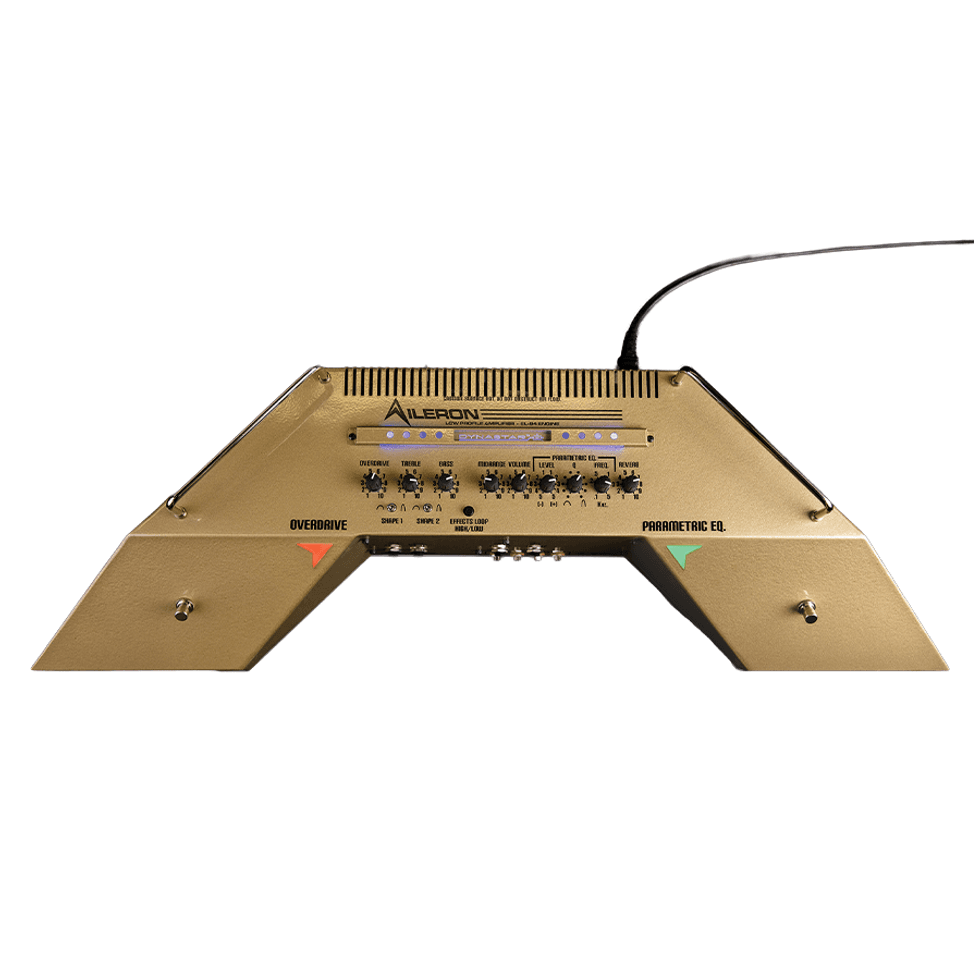
Aileron - Low Profile Amplifier
Take the stage with a complete amplifier at your command—right in front of you. The Aileron features vacuum tube circuitry, an EL-84 power amp, parametric EQ, effects loop, and more. Handcrafted in the U.S., its rugged all-steel chassis is built to handle the rigors of the road, night after night, ready for every gig!
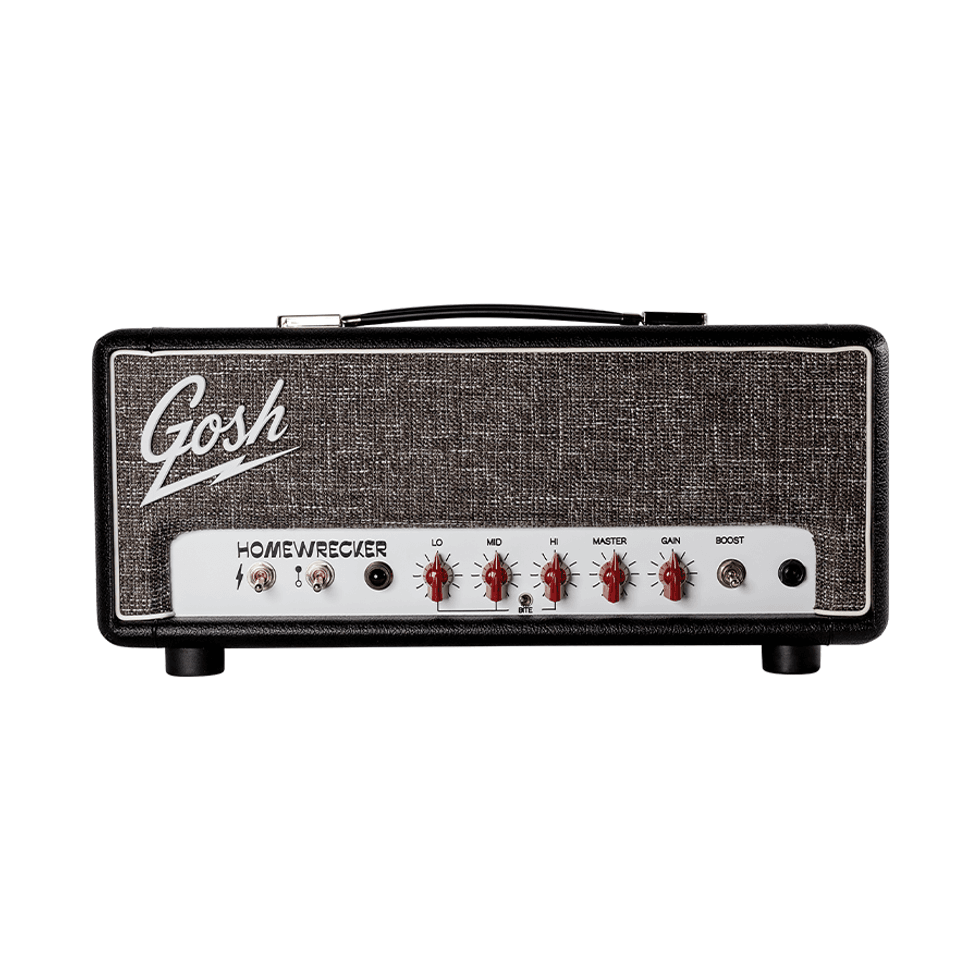
Homewrecker
The Homewrecker is a handwired 20-watt all-tube guitar amplifier built for exceptional touch sensitivity, harmonic richness, and dynamic response. From articulate cleans to rich overdrive, it delivers inspiring tone in a lightweight, gig-ready package.
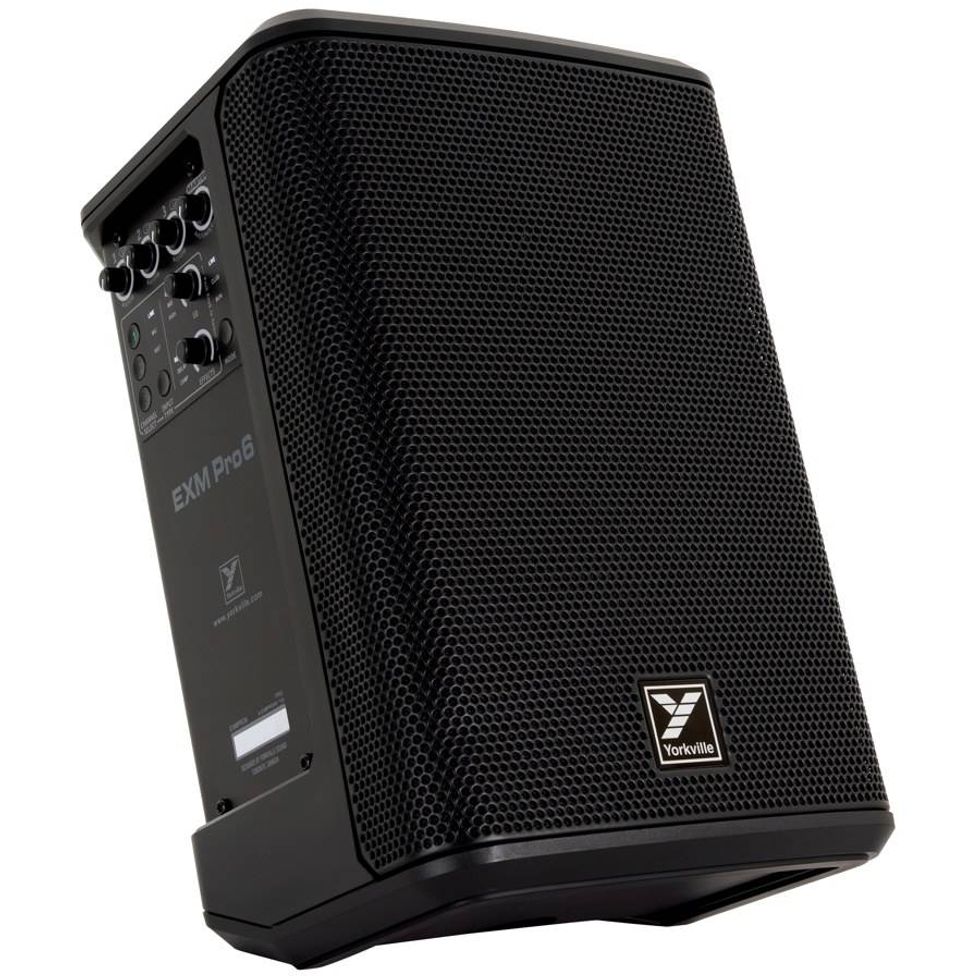
EXM Pro6 and EXM Pro8 Battery Powered PA Speaker
Portable, battery-powered performance meets professional sound with a 3-channel mixer, integrated effects, Bluetooth®️ wireless stereo playback, USB charging, and versatile inputs for microphones, instruments, and line-level sources.
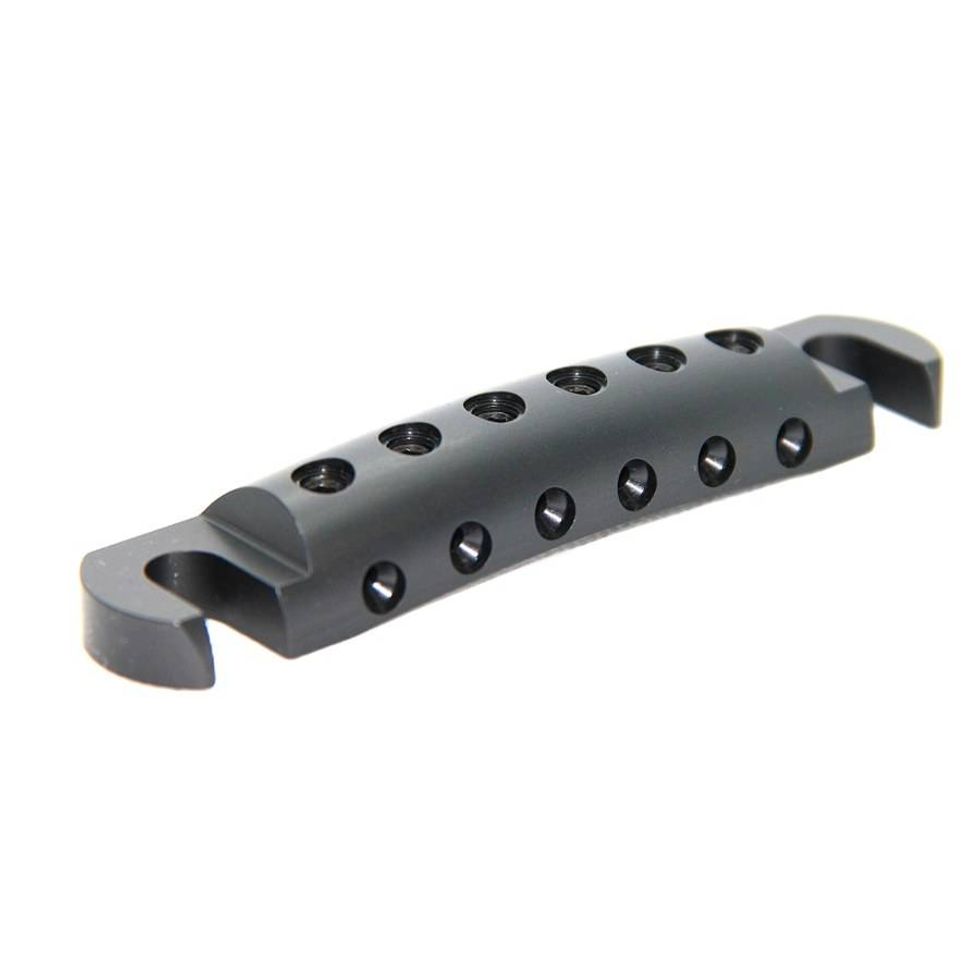
The Steadfast Stopbar
Steadfast Stopbar - We redesigned the stopbar to make string changes stress-free. CNC'd from billet aluminum, this patented, drop-in replacement cuts restringing time by 75%, increases tuning stability, and has zero impact to resale value. Available in Nickel, 24K Gold, black, and silver anodized finishes. Steady. Fast. Steadfast.
“The band cannot invoke Brent’s identity when it is commercially useful, while denying the continuing relevance of his contributions”: Brent Hinds’ estate makes statement amid ongoing Mastodon lawsuit

Earlier this month, it was revealed that the estate of late Mastodon guitarist Brent Hinds was suing his former bandmates.
Their claim revolved around the assertion that Hinds’ commercial interests in the band had not been officially separated from its remaining members prior to his tragic death in August last year, just months after he had exited the group. It also mentioned the use of Hinds’ likeness on the cover of their latest studio album, Marrow Deep.
Shortly afterwards, Mastodon issued a public statement in response to the lawsuit, writing: “We will vigorously defend what we believe is a meritless lawsuit,” before vowing to do so in private, so as not to taint “Brent’s memory or the legacy of his musical gifts”.
Now, Hinds’ estate has given a followup statement clarifying its position and why it chose to file the lawsuit in the first place.
“Unfortunately , public discussion has largely focused on Mastodon’s inclusion of Brent’s image in artwork for a new album and has sometimes portrayed the lawsuit as an effort by his family to obtain a windfall,” the statement reads [via Guitar World]. “That is not what the case is about.”
It continues: “After Brent was excluded from Mastodon, he sought an accounting, valuation, and orderly separation of interests he held in entities owned by the founding members. He passed away before that process was finished… Brent had not yet received any compensation for any of his interests.”
While Hinds’ estate highlights that much of the online discourse surrounding the lawsuit pertains to the use of his image on the cover of the band’s new album, it clarifies that this is just a small part of its claim. The estate says it “illustrates a broader commercial issue related to merchandising revenues”, adding: “Specifically, it relates to whether Brent’s exclusion from the band discontinued his, and now his Estate’s entitlement to share in Mastodon’s merchandising revenue.”
“The remaining members maintain that Brent did not participate in Mastodon’s new album, yet the band chose to use a recognisable image of him to market that album and did so without the estate’s consent. This illustrates that Brent remains relevant to Mastodon’s brand even after his exclusion and death.”
Hinds estate says “the band cannot fairly invoke Brent’s identity when it is commercially useful, while simultaneously denying the continuing relevance of his contributions when accounting for his interests.”
The statement concludes by saying the estate is not requesting “anyone to choose sides or diminish what Brent and his bandmates created together. Nor does it ask the public to judge anyone’s grief or intentions.”
Away from the ongoing legal battle, the surviving members of Mastodon have reflected recently on their time with Brent Hinds.
“It isn’t easy to talk about Brent, he was our family, someone we all loved wholeheartedly. He was a wild man, our wild man and that came with some challenges,” the band wrote in July.
“Both things are true and we aren’t interested in chasing one truth over the other. Losing him has meant sitting with a type of grief we never expected. No more hugs, no more high fives, no more disagreements, no more making up. That part has been hard, it’s real.”
The post “The band cannot invoke Brent’s identity when it is commercially useful, while denying the continuing relevance of his contributions”: Brent Hinds’ estate makes statement amid ongoing Mastodon lawsuit appeared first on Guitar.com | All Things Guitar.
Does Sammy Hagar really mean he’s “done with being the Van Halen guy”?

For the last two years, Sammy Hagar’s Best Of All Worlds project has breathed new live into Van Halen classics. Every night of tour has been a love letter to Hagar’s past, aided by the likes of ex-bandmate Michael Anthony, Joe Satriani and other top talents in his backing band. However, the I Can’t Drive 55 singer is now keen to put Van Halen firmly in the rear-view mirror, and move on.
In a new interview with SiriusXM‘s Eddie Trunk, Hagar explains that, while the tour has been “so damn successful”, he doesn’t want to dwell on the past forever. “I’m kinda done with being ‘the Van Halen guy,’” he says [via Ultimate Classic Rock].
Of course, that doesn’t mean that Hagar is ashamed of his musical history; he’s proud of his Van Halen legacy, and vows to “always keep some [Van Halen tracks] in my show”. However, his Best Of All Worlds project was only meant to be a one off – he never intended it to grow into two years of touring. “Originally, the Best of All Worlds tour with Joe Satriani was supposed to only be once in 2024,” he says.
Hagar hadn’t anticipated just how much the masses wanted more Van Halen. It lead to touring across the US, Canada, a (downsized) UK tour, and even a five night Las Vegas residency. But, even if people will keep begging for Van Halen, Hagar knows that it’s best to quit while he’s ahead.
The tour has also put Hagar’s creativity on hold. Back in 2024, Hagar teased that his Best Of All Worlds band were keen to track some new songs, and that’s still not happened. And, even outside of that, Hagar is keen to get in the studio and make some music for his own band, Montrose. “I’ve got so much Montrose – great songs and fun stuff,” he reveals.
He also takes a second to call out all the music that’s been pushed to the sidelines by focusing on Van Halen. Because he’s not just “the Van Halen guy”. He points to his 1977 debut album, as well as all his work pre-Van Halen, as well as his releases with Geffen Records. “I want to do so many things, I don’t want to just go out there and just do Van Halen!” he says. “Mike and I are kind of obligated. I like it, but I feel like I owe my old fans more than that.”
Hagar’s interest in moving on from Van Halen comes at a very interesting time. Alex Van Halen is currently working on a new Van Halen record, unearthing fully tracked demos (which feature full, unheard Eddie Van Halen riffs) in order to release them in the near future.
In 2025, Hagar previously wondered whether Alex was upset over him touring with his ex-Van Halen bandmate, Michael Anthony. “He doesn’t want to play drums or can’t play drums anymore, and he can’t go write a new record…” Hagar told Rolling Stone. “I think that really bothers him that Mike and I are still out there doing it. I would feel bad. If I put myself in his shoes, I would feel terrible if I couldn’t do it anymore.”
Even beyond music, Hagar is keen to do more outside of music – like writing a “science fiction” rock opera, apparently. “I don’t know how many shows I’ve got left in my life – but I wrote this space opera when I left Montrose in 1975,” he explains. “Every album I ever did had a space song on it. Silver Lights, Someone Out There, Space Station #5, Space Age Sacrifice. Crack in the World was the one that really predicted what’s going on in 2025… even in Van Halen: Love Walks In.”
The post Does Sammy Hagar really mean he’s “done with being the Van Halen guy”? appeared first on Guitar.com | All Things Guitar.
“If the surgery is successful, and I can play again, hallelujah”: Dave Mustaine on his worsening hand condition affecting his ability to play guitar

Megadeth are currently in the midst of their final-ever tour, a worldwide trek that sees Dave Mustaine bow out in style following a multi-decade career that has shaped the world of metal as we know it today.
The thrash metal outfit released their self-titled swansong album in January this year, and embarked upon their massive farewell world tour shortly after. The band are currently in the US, and the trek is scheduled to last until April 2027 when they’ll bow out in Lisbon, Portugal.
Dave Mustaine’s decision to call time on the band is no doubt in part due to his degenerative hand condition, Dupuytren’s contracture, revealed last year, which is making it progressively more difficult for him to play guitar. The frontman is aware that he may need to undergo surgery to treat the condition – but if all goes well, could there be life left in the Megadeth tank just yet?
In a new interview with YouTube channel Tv War, Mustaine is questioned on his worsening hand condition.
“God willing, something will happen,” he says. “And there’ll be a news break some day. And I’m hoping that when the time comes when I have to stop, at that point it’s going to be like a knife in the ground, and I will have to make up my mind: ‘Do you wanna get surgery, or do you not?’
“And if I get surgery, and the surgery is successful, and I can play again, hallelujah. But I wanna go out on top, and until I know that I can’t play anymore, I’m gonna play my best and my hardest.”
Is that a veiled suggestion that if his hand is repaired he’d consider keeping Megadeth going? It’s not clear, but in the meantime, Mustaine’s playing ability is strong enough to continue touring for the best part of another year.
Included in the tracklist of Megadeth’s latest album is a cover of Ride the Lightning, which Dave Mustaine helped write during his tenure with Metallica. Following its release, Mustaine said that his inspiration to cover the track was to help bury the hatchet following years of public feuds with his former bandmates.
“This was about showing respect to a man that I don’t believe thinks I respect him,” he said, referencing Metallica frontman James Hetfield.
In other news, Dave Mustaine recently launched his new memoir, In My Darkest Hour, which explores his “harrowing” experience following his diagnosis with stage three throat cancer in 2019.
Megadeth are on tour now. See a full list of dates at their official website.
The post “If the surgery is successful, and I can play again, hallelujah”: Dave Mustaine on his worsening hand condition affecting his ability to play guitar appeared first on Guitar.com | All Things Guitar.
“The most positive and creative force in any room he walked into”: Pop-punk’s elite pay tribute to Chad Gilbert, founding New Found Glory guitarist who has died at 45
![[L-R] Chad Gilbert and Mark Hoppus](https://guitar.com/wp-content/uploads/2026/09/Chad-Gilbert-hero@2000x1500.jpg)
The news hit over the weekend that Chad Gilbert – founding guitarist of Florida pop-punk stalwarts New Found Glory, and former husband of Paramore’s Hayley Williams – had tragically died aged just 45.
Announcing Gilbert’s death on social media, his bandmates say they are “devastated and shocked by how quickly he left us”.
“On the morning of 20 September, Chad Everett Gilbert passed away peacefully in his sleep,” their post reads. “He left this world surrounded by friends and family and took his final breaths with his wife and mother by his side, just as he wished. We are devastated and shocked by how quickly he left us, yet so grateful for how peacefully and smoothly he went.”
They go on: “The amount of visitors that crowded the hospital lobby at a moment’s notice is a testament to how beloved and cherished Chad was, and always will be. He was a legendary musician, but his favorite accomplishment was being a husband and father. His biggest dreams came true. He is survived by his wife, Lisa, his daughter, Lily, his mother, Jackie, and his brother, Brian.
“Chad’s guitar playing, songwriting, humour, and relentless drive helped shape New Found Glory for nearly three decades. Through more than a dozen albums, endless tours around the world, and more accolades than we ever could have imagined, Chad challenged all of us to grow as musicians, performers, and human beings.
“While we are devastated to lose him, we are so grateful for the incredible life he lived, the memories we shared, and the brotherhood we had. His influence will always be part of New Found Glory and his spirit will be felt on every stage we stand on, with every note we play.”
Born in Coral Springs, Florida in 1981, Chad Gilbert founded New Found Glory in 1997 when he was just 16 years old – alongside frontman Jordan Pundik, rhythm guitarist Steve Klein, bassist Ian Grushka and drummer Joe Moreno. The wheels quickly got going, with the band releasing their debut EP It’s All About the Girls the same year, followed by their debut full-length Nothing Gold Can Stay two years later in 1999.
Gilbert’s infectiously upbeat pop-punk riffs appeared across all 11 of New Found Glory’s studio albums, with the band’s most recent release, Listen Up!, landing in February of this year. He also served as frontman of Florida metalcore/hardcore act Shai Halud on and off until 2013.
But the guitarist had a battle with ill health as far back as 2010, when he underwent thyroid surgery to remove “suspicious cells”. In 2021, Gilbert was found unresponsive in his home, and had to have emergency surgery to remove a rare cancerous tumour. He revealed the following year that he’d been diagnosed with cancer again, this time another tumour in his spine.
Earlier this year, Gilbert reportedly collapsed during the launch party for Listen Up!, and subsequently confirmed that he’d undergone emergency brain surgery following the discovery of three brain tumours. In April, the guitarist confirmed his cancer had changed from metastatic pheochromocytoma to stage 4 adrenocortical carcinoma.
Since the news of his passing was announced, tributes have been flooding in from across the music world.
Blink-182’s Mark Hoppus – who has collaborated with New Found Glory on numerous occasions, and who himself battled cancer in recent years – calls Gilbert the “best friend to every person he met”.
“The most positive and creative force in any room he walked into,” Hoppus writes. “These past years he fought his sickness with the soul of a joyous, courageous warrior. With dignity, love, and gratitude. He never complained once, only kept saying how lucky he was. For everything. Today we lost a good one, and the world won’t be the same. Rest easy now, my friend. And thank you for just being. You’ll be sorely missed by more people than you could ever imagine. See you on the other side.”
Responding to New Found Glory’s post sharing the news of Gilbert’s death, fellow pop-punkers Simple Plan write: “Sending our deepest condolences to all his friends and family.” Dashboard Confessional add: “I’ve never seen anyone carry themselves through something like this with such positivity and strength. What an example to us all.” My Chemical Romance’s Mikey Way, A Day to Remember’s Jeremy McKinnon and Neck Deep’s Ben Barlow also shared their admiration for the late guitarist.
Meanwhile, singer-songwriter LØLØ – who got a big career break when Gilbert found her on a Spotify playlist and invited her to open for New Found Glory – says she is “devastated” by the news of his passing.
“I almost didn’t do it, because I was scared,” she writes. “But Chad convinced me that it would be amazing (and it was, he was right). That’s just who Chad was… He had this incredible way of making you believe in yourself. He hyped up everyone around him, and even in the darkest moments, he somehow found a way to bring a little light in and make things feel less scary.”
Ryan Key – frontman of fellow Florida pop-punk legends Yellowcard – calls Chad Gilbert “the kind of friend most people don’t get to have in a lifetime”.
“I owe so much to him for encouraging me to keep going back in 2017 when Yellowcard broke up. The bear hugs I got every time I walked in his door will be around me forever. He brought me into the New Found Glory family at a time when I needed my friends so badly. I looked to Chad as an example of how to stay positive in the most difficult times. I watched him fight his illness in awe of his strength and desire for life.”
He continues: “I was able to get to Nashville yesterday to see him before he passed. I stopped at the card shop in Franklin TN where we would always go to get Magic cards and comics. I chose this card (last slide) to put in his hand because it has two special abilities. The first is that other cards can help to play this card. Chad’s friends and family walked through this unimaginable pain with him every step of the way. But once the card is played, it protects the other cards in the game from damage. I know that Chad will always be with us. Always protecting us. Always reminding us how hard a human being can love.”
The post “The most positive and creative force in any room he walked into”: Pop-punk’s elite pay tribute to Chad Gilbert, founding New Found Glory guitarist who has died at 45 appeared first on Guitar.com | All Things Guitar.
HeadRush x Tone3000 review: latest A2 NAM models meet simple-yet-effective hardware

There’s an argument that Neural DSP’s Quad Cortex hit the amp-modelling industry in the same way the iPhone hit the tech world back in 2007. Here was a very swish-looking alternative to the clunky old guard; so sleek and powerful that all its predecessors suddenly seemed quite outdated. The Quad’s design made the hefty cases and LCD screens of things like the Axe-FX and Kemper Profiler look positively prehistoric, without any compromise on power. And so, its general vibe would go on to set the tone for floor modellers in the years to come.
But, true to the iPhone comparison, going Neural comes with a pretty high price of entry, and the ecosystem is somewhat locked down – Neural captures work on Neural gear, and plugin support is limited to, well, Neural plugins. So that’s a more Apple approach – premium, straightforward and powerful – but those garden walls are a little high. What, then, is the guitar equivalent of a slightly hacked-together Android build filled with sideloaded, solo-developed .apks called things like “Alan’s PDF Scrumbler”? That would be the subject of today’s review: Tone3000, and the Neural Amp Modeler architecture – NAM.
Neural DSP’s and NAM’s models are both implementations of a similar approach, that is, training a neural network to behave like a real amplifier. The difference is that the NAM platform is open-source, and hence can be implemented however a third party sees fit. There are a bunch of hardware products that already support NAM models, some of which are very affordable, and they’re all technically cross-compatible. In the same way an IR file is just a .wav file, a NAM model is a .nam file you can chuck onto any USB stick you like, and load into a bunch of different multi-effects pedals and desktop plugins.
And this year, Tone3000 (the biggest central resource for distributing user NAM captures) announced the release of Architecture 2, or A2 for short – the latest iteration of the NAM standard. Tone3000 claims it’s more CPU-efficient than even the previous A1 architecture, and sounds better than literally anything else, including Neural DSP’s models
The new dedicated Tone3000 plugin is 100% free, and A2 models are now available on a few affordable practice amps, as well as HeadRush’s latest run of mid-to-high-priced effects units. Can the combination of open-source capture architecture and affordable hardware truly go toe-to-toe with Apple? I mean, Neural?
What hardware are we using?
Today we’re looking at the NAM A2 architecture as hosted by the HeadRush Flex Prime, the most affordable of the bunch at $499/£419. You may have noticed we already reviewed it early last year. As a quick note on the thing itself, I basically agree with reviewer Richard’s overall assessment – the screen’s a little cramped (a perhaps inevitable payoff for its frankly adorable little footprint), but the thing is otherwise easy to use, well-built and the basic models and effects sound pretty damn excellent.
It’s also worth noting that all of the latest generation of WiFi-enabled HeadRush modellers – Prime, Core, and Flex Prime – support the new A2 models. And that’s the full A2 version, too – there’s also A2 Lite, a version that uses even less CPU power for more budget gear, but HeadRush’s stuff runs the main, full-power version.
 Image: Adam Gasson
How does it work?
To get access to the Tone3000 hub, you’ll need to update the firmware of your HeadRush unit. I’m a fan of the approach taken to this side of things – the update tool is lightweight, easy to download and quick to use. You do need to find a USB-B cable, though, also known as a USB-are-we-still-using-this-wait-my-printer-has-one-I-think cable, but still, HeadRush’s straightforwardness is a nice change after I spent a literal afternoon installing UAFX firmware 2.0 on two pedals.
Once on the latest firmware and connected to your WiFi, you can browse the full Tone3000 library in the same way you can explore the standard HeadRush cloud. To integrate a new A2 model into a HeadRush preset, all you need to do is download the capture you want, tab back into editing the actual rig, and load the .nam file into a NAM block. It takes me a second to find where the NAM block actually is in the list of effects, mind, as it’s under the ‘clone’ sub-category, but once this is done, it’s treated much the same as another amp model.
Well – with one exception. An unfortunate limitation is that you can only load one NAM model per preset, whereas you can load multiple stock HeadRush amps. This nixes a few possibilities, such as running a NAM-captured overdrive into a separate NAM-captured amplifier, or creating a dual-amp stereo tone with two A2 models. However, for more straight-ahead sounds, it loads fine and leaves more than enough CPU headroom to build an otherwise complex patch.
 Image: Adam Gasson
How does A2 sound?
So, yes, upon launch the big claim was that these models sound better than all previous digital amp models, including Neural’s. Quantifying quite an abstract thing in a couple of bar charts does seem like some good old marketing bluster, but, having spent a lot of time with a lot of A2 models, I am quite inclined to believe said bar charts. These models don’t just sound good considering they’re free – they sound bloody fantastic, to the point where you’ll question every amp plugin and hardware modeller you’ve paid for up until this point.
First – some clean things. The library, as it goes with amp modelling, skews slightly towards the chugs – but after a little scrolling I find a Twin Reverb capture, and, well, it sounds like a good Twin – big headroom, clean but not sterile, and nice and bold and bassy. Adding some compression and ambient effects, and it eats them all up with aplomb. Feel goes a long way here, too, and the best clean sounds from amps like these have a certain chewiness that encourages a more dynamic approach. I’m pleased to say that feel is pretty well replicated here.
The feel stays chewy and approachable towards the mid-gain side of things, too – captures of cranked AC30s and vintage Marshalls are all a dream to play, really, and it’s startling to hear such consistent clarity and string separation when exploring the wider catalogue. Some captures are better than others (that’s the nature of the beast here as they are dependent on how well the amp was captured originally), and certain amp-head-only captures sometimes don’t gel with certain IRs, but broadly it’s very hard to find a bad sound here.
 Image: Adam Gasson
On the more metal side, I’ve been learning some Death riffs recently (a great way to find out just how much you don’t use your pinky) so I seek out something ragged and high-gain – and spot that Ola Englund has uploaded a capture of his Randall Satan. Frankly, it’s one of the best high-gain sounds I’ve heard come out of a digital device, being at least on par with everything I’ve tried from Neural, and with notably more clarity and punch than even something like the UAFX Anti.
I give a few different high-gain models a spin, the Satan and a few 5150 captures, plus a few Sunns and Oranges. What’s cool to see is these amps work well with HeadRush’s own virtual effects – as you’d hope, the Tube Screamer model does the thing when placed in front of a mid-gain 5150, and virtual RATs and Big Muffs also behave realistically when run into appropriately doomy A2 captures, without any artefact-laden digital nonsense coming through.
To go back to the Randall Satan, that particular model also demonstrates one of the neatest things about NAM: Ola demoed that capture in a video about the launch of the Tone3000 plugin, and, despite the fact he was running it in a completely different environment, I can easily dial in pretty much the exact same sound in my own rig. Preset-sharing is hardly new, of course, but what is new is virtual amps of this quality being so portable and cross-compatible, with Tone3000 operating as a truly central hub, rather than each brand of multi-effects being siloed into their own tone-sharing spaces.
There are some bugbears with the system. The previously-mentioned limitation of just one NAM block is one – the other is the fact that people capture NAMs with vastly different gain-staging – I blast my ears unintentionally a couple of times as some uploads kicked out far more dBs than others.
And speaking of gain – like most capture/profile tech, NAM does not offer ‘virtual device’ controls – A2 captures are still pre-set in their on-device EQ and gain settings. There is built-in post-EQ for the NAM block, and you can boost or underdrive things to adjust your saturation level as needed, but if you’re used to the flexibility of virtual amps that do have virtual controls, it feels like a bit of a step backwards.
 Image: Adam Gasson
Should I buy one?
If you’re looking to explore these sounds yourself, you can easily do so with the new Tone3000 plugin. As for the hardware implementation in the Flex Prime – it’s pretty darn good. Not faultless, and the limitation of just one NAM model at a time may be a deal-breaker. But its price and this limitation does court comparison with the Nano Cortex – the HeadRush’s NAM support now means that you’re very much not compromising on sound if you want to pay slightly less, and get similar IO, but add a screen and an expression pedal.
And regardless of whether the HeadRush’s implementation is for you specifically, it’s still gratifying to see a relatively notable chunk of the multi-effects world embrace a more open standard – even affordable, dinky practice amps like the Blackstar Beam Mini support A2 models! It’s only good for the industry as a whole if Neural, Kemper and Line 6 have to truly back up their higher prices and more walled-off ecosystems with sounds that are on par with A2 is. Or, at least install a door into their walled garden and offer NAM support, which they currently do not.
This is absolutely not to say that buying a Quad Cortex is now the equivalent of pouring cash into the toilet. Sure, the A2 amps sound great, but it’s not like they’re orders of magnitudes better than Neural’s. And the hardware has its own benefits – open-source software alone cannot replicate the effects processing headroom, the connective power or the live usability of a full-fat Quad.
But overall the A2 launch is still a very positive change for the industry. I am predisposed to bat for the more crunchy, open-source solutions anyway, pain points and all (I am very much the person from that Hard Drive article that will never shut up about installing emulators on a Raspberry Pi) – more open standards almost universally lead to good stuff for the consumer, and I think that holds true with NAM A2.
Headrush x Tone3000 alternatives
There are a few NAM-compatible hardware loaders of varying budgets that can use A2. The HeadRush stuff is probably still the most flexible in terms of offering a multi-effects signal chain, while the most stripped-back is perhaps the Valeton GP-5, a $76.99 mini pedal that currently uses the more limited Snaptone versions of NAM captures – but is set to get an update for A2 Lite support soon, according to the manufacturer.
For full A2 support, there’s also the DimeHead NAM player, a German unit that’ll set you back €595, and the pricier Darkglass Anagram, a bass-focused multi effects currently running at $1,199.99/£999 that has recently benefitted from an Andertons and Sweetwater-exclusive Guitar Essentials version (with the guitar software element set to be available separately for a fee). The most extensive loader when it comes to amps is the Sonulab StompStation PRO, a €475 unit (currently on sale) that can load a whole three full-resolution A2 files at once.
The post HeadRush x Tone3000 review: latest A2 NAM models meet simple-yet-effective hardware appeared first on Guitar.com | All Things Guitar.
Royal Blood Reveal New Track “Swallow The Bomb”
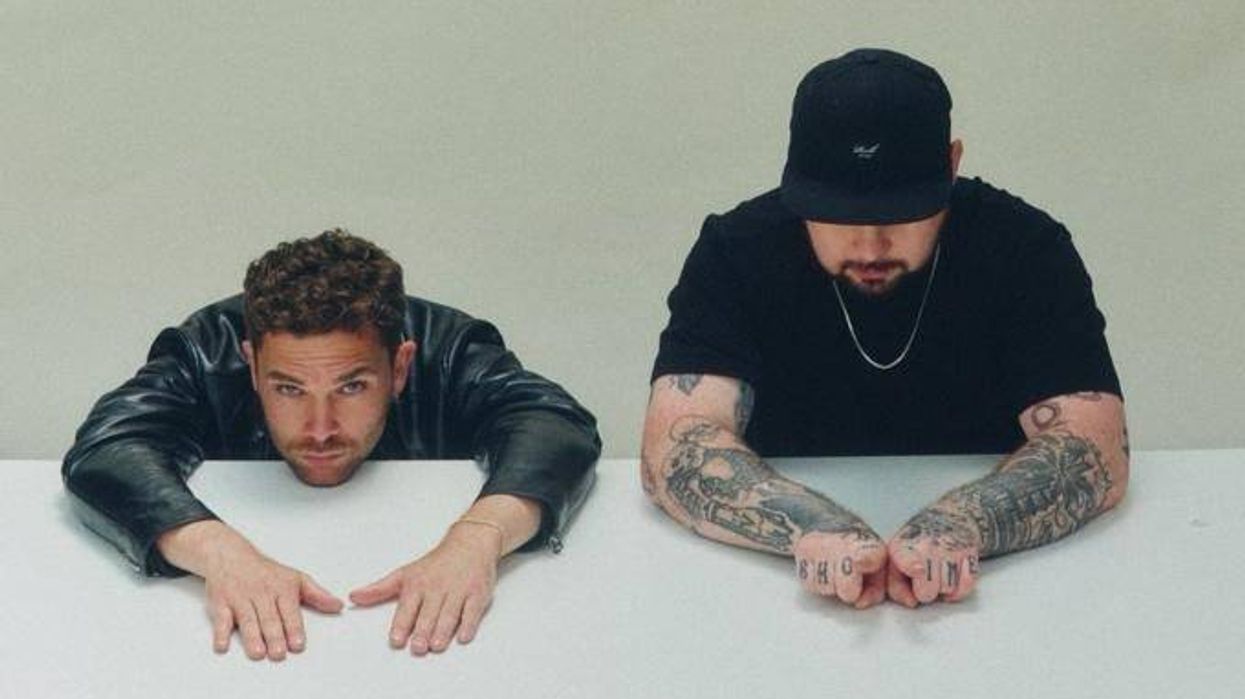
Royal Blood released a new track “Swallow the Bomb” alongside an exclusive interview with Zane Lowe. This is the second track to be revealed from their highly anticipated new album Dead Company out November 13 via Warner Records.
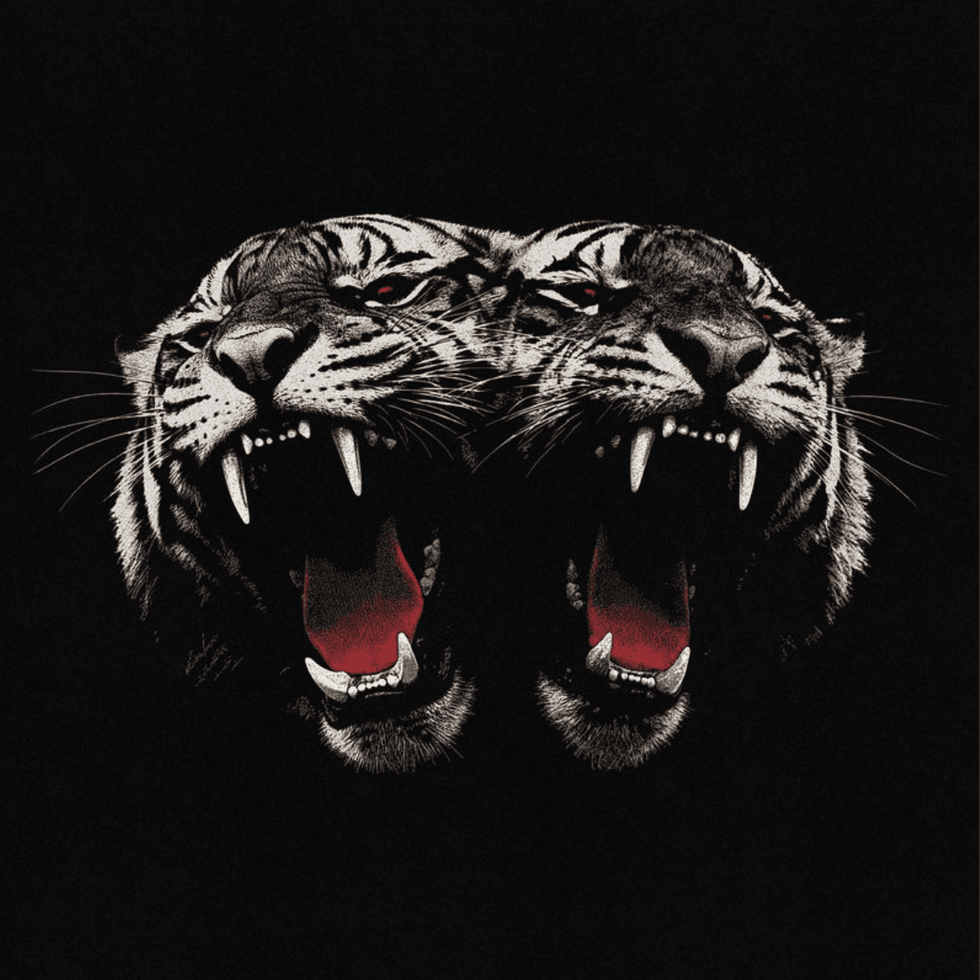
The band made a welcome return last month with album news, a single “Ten Over Ten” and reveal and some rapturously received live shows. Fans were treated to three sold out underplay shows across the UK, including a surprise Reading Festival appearance. They also announced a run of UK shows kicking off in November and featuring special guests, Unpeople and Xcerts across various dates. Click Here for ticket and tour details.
Dead Company marks a powerful new chapter for the duo, who last released BACK TO THE WATER BELOW in 2023. Following a period away from the spotlight, Mike Kerr (vocals, bass guitar, keys) and Ben Thatcher (drums & percussion) entered the studio in 2025 with no deadline, no distractions and a simple ambition: to see what was possible with two people, 12 notes and infinite outcomes.
Self-produced by Royal Blood, they set out to make an album as raw, human and visceral as possible. Dead Company strips everything back to its core. Immediate and uncompromising, it captures Royal Blood at their most powerful. U.S. tour to be announced soon.
Pages
